
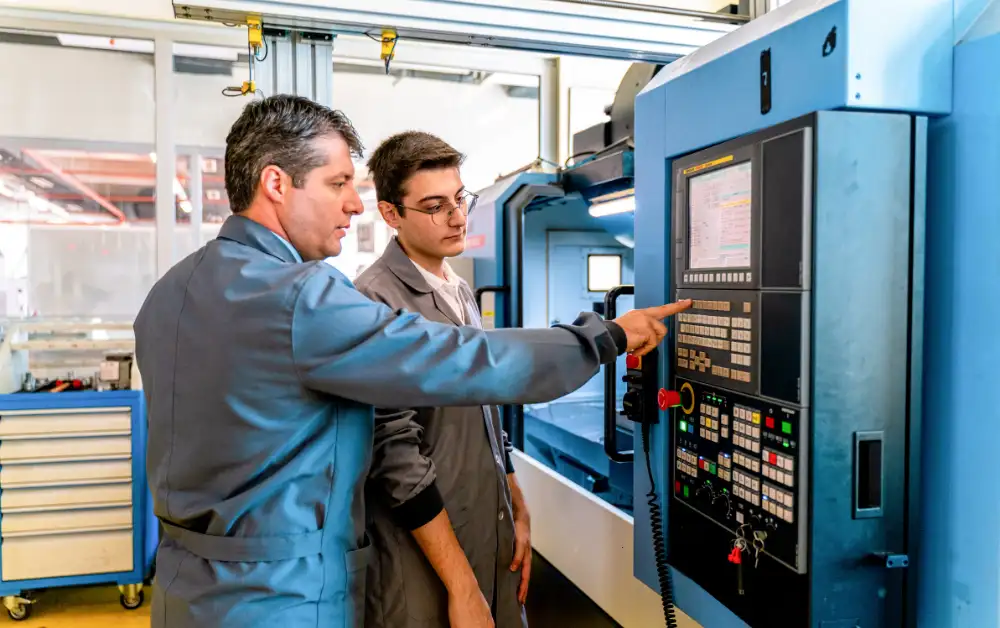
Student Loans For Technical Schools are financial aid tools designed to help students fund vocational or trade programs, typically when grants and scholarships fall short or when upfront costs are substantial; this resource explains federal and private options, eligibility, key rules, and how to secure funding for U.S. technical education in 2025 and beyond.
Who This Loan Is For
- Technical school loans serve students enrolling in accredited trade, career, or vocational programs—such as automotive, HVAC, health technology, cosmetology, IT, or skilled manufacturing.
- Eligibility for federal student loans requires U.S. citizenship or eligible noncitizen status, a high school diploma or GED, and attendance at a Title IV–approved technical school. Students apply via the FAFSA.
- Private student loans are typically open to technical/trade school students with creditworthy cosigners or strong credit histories. Not all lenders participate for every program or school.
- Loan access may vary if you’re attending non-degree, non-credit, or unaccredited training—verify with your school’s financial aid office and on official lender sites.
Key Facts (At-a-Glance)
| Item | Details |
|---|---|
| Program Type | Federal Direct Subsidized/Unsubsidized Loans, PLUS Loans (rare for technical schools), and private student loans. |
| Interest | Federal loans: fixed rates set annually (verify Federal Student Aid homepage). Private loans may offer fixed or variable rates depending on lender and credit. |
| Accrual | Subsidized loans: government pays interest while in school at least half-time. Unsubsidized/private: interest accrues during school and may capitalize at repayment start. |
| Repayment Plans | Federal: Standard, Graduated, Extended, Income-Driven Repayment (IDR) plans. Private: Terms set by lender, less flexibility. |
| Grace Period | Federal: typically 6 months after leaving school or dropping below half-time. Private: grace period varies (sample/illustrative: 6 months). |
| Deferment/Forbearance | Available for federal loans under specific conditions (e.g., economic hardship, military service). Private options depend on lender policy. |
| Forgiveness/Discharge | Federal only: public service, disability, school closure, or certain income-driven repayment options. Rare for private loans. |
| Annual & Aggregate Limits | Federal undergraduate loan limits apply (sample/illustrative: up to $5,500–$12,500/year, totals capped by dependency status). Private: lender-set; sample/illustrative max may reach $45,000–$50,000 for technical programs. |
| Fees | Federal loans: origination fee (verify current rates on Federal Student Aid homepage). Private: fees vary, sample/illustrative 0–5% origination. |
| Cosigner Rules (Private) | Cosigner typically required without a strong credit record. Cosigner release possible after on-time payment history per lender policy. |
Pros
- Federal loans include borrower protections, standardized rates, flexible income-driven repayment, potential for deferment and forbearance, and access to limited forgiveness or discharge programs for qualifying situations.
- Private student loans can help fill aid gaps when federal funds are exhausted or ineligible, and competitive rates may be available to creditworthy applicants or with a strong cosigner.
- Both allow students to attend technical and vocational programs that build employable skills, which may have shorter program duration compared to traditional four-year degrees.
Cons
- Unsubsidized and private loans accrue interest while in school, which can significantly increase the total cost of borrowing due to capitalization.
- Private loans lack federal borrower protections such as IDR, deferment/forbearance standardization, and most forgiveness/discharge routes.
- Loan limits may not cover all program costs, especially at private technical schools or accelerated programs; additional sources of aid or personal savings may be necessary.
- Default and delinquency risk can damage credit and restrict access to future aid or employment in regulated industries.
Costs, Interest & Repayment Mechanics
- Federal student loans have fixed interest rates—set each academic year by Congress. Private loan rates depend on your credit, cosigner, loan type, and lender. Rates might be fixed or variable.
- Interest on unsubsidized federal and nearly all private technical school loans begins accruing as soon as funds are disbursed. If unpaid, interest is capitalized (added to principal) when repayment starts, increasing the long-term cost.
- Income-Driven Repayment (IDR) plans are only available for federal loans; monthly payments are calculated as a percentage of discretionary income and family size, providing payment flexibility for graduates with lower early-career earnings.
- Private loan repayment typically follows a standard fixed schedule—some require payment during school, others allow full deferral until after graduation.
| Example | Principal | Rate/APR | Plan | Monthly Payment | Total Paid |
|---|---|---|---|---|---|
| Sample Scenario | $10,000 (sample/illustrative) | 5.5% fixed (federal), 8.5% variable (private) (sample/illustrative) | 10-year Standard (federal or private) | $108 (federal), $124 (private) (sample/illustrative) | $12,960 (federal), $14,880 (private) (sample/illustrative) |
Application & Disbursement Steps
- For federal loans, complete the FAFSA each academic year, ensuring your technical school is Title IV–eligible. Schools may require additional documentation for certification.
- After receiving financial aid notifications, choose which loans and amounts you wish to accept. For federal loans, sign a Master Promissory Note (MPN) and complete entrance counseling as required.
- Private loan applications are made directly through the lender. Credit checks are standard; a cosigner may be needed for approval.
- Upon approval, funds are typically sent directly to the school to cover tuition, fees, and academic costs. Excess funds, if any, will be disbursed to the student for allowable educational expenses.
- Keep track of deadlines; missing priority or final deadlines can result in ineligibility for certain aid types.
Repayment, Deferment & Forbearance
- Repayment generally begins six months after graduation or dropping below half-time enrollment (grace period) for federal direct loans. Private lender grace periods may differ.
- Federal loan borrowers can request deferment for qualifying situations such as economic hardship, active duty military service, or enrollment in additional coursework.
- Forbearance allows federal borrowers to pause or reduce payments temporarily for financial hardships. Interest accrues during this time for both federal unsubsidized and private loans.
- Private lender flexibility on payment deferral, forbearance, or modification varies widely—consult your loan agreement and contact your servicer for options.
Forgiveness & Discharge Pathways
- Technical school borrowers with federal loans may qualify for Public Service Loan Forgiveness (PSLF) if they later work in eligible government or nonprofit careers and meet strict qualifying payment requirements.
- Teacher Loan Forgiveness is rare for technical school graduates but possible for those re-entering programs and working in designated fields/areas.
- Federal loans may also be discharged in cases of total and permanent disability, school closure (if your institution shuts down mid-program), or in limited circumstances like borrower defense (for school misconduct).
- Private student loans generally do not offer forgiveness or discharge except in cases of death or permanent disability (lender policy applies), and even then, exceptions are rare.
Risks & Responsible Borrowing
- Defaulting on any student loan—federal or private—can severely impact credit history, restrict access to future financial aid, and potentially trigger wage garnishment or government collection actions (federal loans).
- Technical school graduates may face job market risks; research your intended field’s employment rates and earning potential before borrowing.
- Borrow only what you need and budget for repayment—interest accrual, especially during non-enrollment, can make technical school debt more expensive over time.
Alternatives & Comparisons
Side-by-Side Comparison
| Feature | Federal Loans | Private Loans |
|---|---|---|
| Underwriting | Eligibility-based, not credit-dependent for most Direct loans | Credit and/or cosigner–based |
| Rate Type | Fixed | Fixed or variable, credit-dependent |
| Protections | Numerous (deferment, IDR, PSLF, forbearance) | Limited; varies by lender |
| Forgiveness Potential | Possible (federal programs only) | Rare (lender policy only) |
Frequently Asked Questions
Can I use federal student loans for technical or trade schools?
- Yes, if your program and school are Title IV–eligible. Confirm directly on the Federal Student Aid homepage or with your school’s financial aid office.
What are the most common federal loans for technical school students?
- The Direct Subsidized and Direct Unsubsidized Loans are most common. PLUS Loans are rarely used unless parents borrow for dependent students in eligible programs.
Are grant and scholarship options available for technical schools?
- Many technical school students qualify for Pell Grants and state/institutional grants by completing the FAFSA. Check with your school for scholarships specific to your field.
How do private student loans for technical schools work?
- Private lenders offer loans for technical programs, but require a credit check and may need a cosigner. Loan limits, rates, and repayment terms vary; always request complete information from the official lender.
When does interest begin accruing on my loan?
- Interest on unsubsidized federal and private loans starts as soon as funds are disbursed for most technical school loans, even while enrolled.
What happens if I leave or fail to complete my technical program?
- You are still required to repay your loans, but in cases of approved school closure or qualifying situations, some federal loans may be discharged. Always check official program requirements.
What are the maximum borrowing limits for technical school student loans?
- For federal undergraduate loans, annual limits range (sample/illustrative: $5,500–$12,500/year), with lifetime maximums distinct for dependent vs independent students. Private loan maximums vary; confirm with each lender.
Conclusion & Next Steps
- Explore both federal and private student loan options for technical schools, prioritizing federal loans when eligible due to stronger protections and flexible repayment.
- File the FAFSA as early as possible to maximize eligibility for federal student loans, grants, and work-study. Confirm your technical program’s participation in federal aid with your school’s financial aid office.
- Compare private lender options only after exhausting federal loans and grant aid. Scrutinize terms, rates, fees, cosigner rules, and repayment options.
- Stay informed on changes in federal loan programs and interest rate adjustments, as annual updates and legislative reforms could affect borrowing in future academic years.
- Consult the Federal Student Aid homepage for up-to-date official guidance and forms, and direct any questions to your technical school’s financial aid office before committing to any loan.