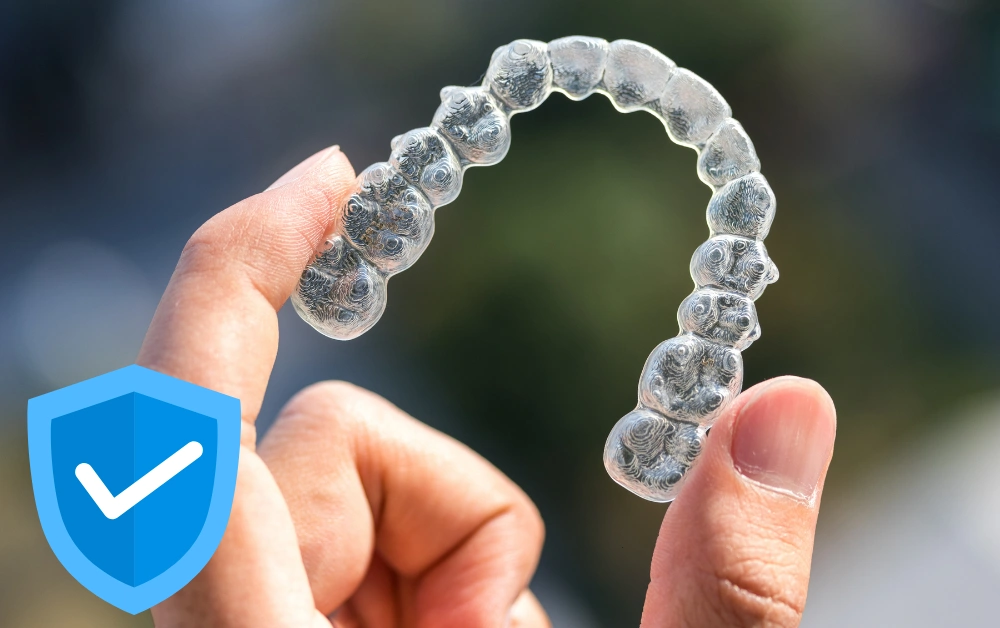
The cost of Invisalign without Insurance can be significant, often impacting a person’s decision to pursue orthodontic treatment. This page details typical price ranges, factors influencing costs, and what to consider if you are seeking Invisalign without dental insurance coverage in the United States.
Who This Policy Is For & Eligibility
Individuals considering orthodontic correction for mild to moderate dental misalignment.
Adults and teens for whom Invisalign is clinically appropriate; eligibility for treatment determined by an orthodontist or dentist.
Patients without private or employer-sponsored dental insurance, or whose insurance does not cover orthodontics.
People seeking a less visible alternative to traditional metal or ceramic braces.
Key Facts (At-a-Glance)
Item
Details
Estimated Cost (No Insurance)
Typically $3,500–$8,500 (varies by case and region; see details below).
Coverage
Orthodontic correction for teeth alignment; not all cases are eligible.
Premium
N/A (one-time or installment payment for treatment, not an insurance product).
Deductible
N/A (unless using a dental insurance plan with orthodontic benefits).
Copay/Coinsurance
N/A without insurance; out-of-pocket covers total cost.
Out-of-Pocket Maximum
Entire cost falls to patient unless partial insurance applies.
Payment Methods
Lump sum, installment plans from providers, HSA/FSA reimbursement possible (see IRS guidelines).
Policy Limits
N/A for uninsured; some providers may cap payment plans or require credit approval.
Eligibility
Determined by dental/orthodontic assessment; not all malocclusions suitable for Invisalign.
Pros
Removable aligners support normal brushing and eating habits.
Nearly invisible, appealing to adults and image-conscious teens.
May require fewer office visits than traditional braces for eligible cases.
Potential for shorter treatment timeline in mild/moderate cases.
Cons
Significant direct cost for uninsured patients; payment is fully out-of-pocket.
Not suitable for all orthodontic problems; severe misalignments may need braces.
Requires disciplined wear (typically 20–22 hours/day); compliance may affect results.
Replacement aligners add extra costs if lost or damaged.
No insurance means no copay, deductible or coinsurance offset; no policy limits, so total spent is variable and can be high.
Costs & How Pricing Works
The typical range for Invisalign in the U.S. without insurance is approximately $3,500 to $8,500. This range is confirmed by multiple orthodontic sources and reflects current market rates as of 2025.
Complex or longer-duration cases: Up to $8,500 or more, especially in metro areas (source).
Geography affects price—urban, coastal, or high-cost-of-living regions tend to have higher fees.
Provider experience, overhead, and technology used also influence costs.
Some practices offer installment plans or zero-interest financing; credit approval may be needed.
Health Savings Accounts (HSA) and Flexible Spending Arrangements (FSA) may be used for orthodontic care if IRS-eligible (IRS HSA guidance (official)).
Periodic retainer costs are extra post-treatment, which may add several hundred dollars per year.
Covered Services & Exclusions
Covered: Custom clear aligners, periodic check-ups, modification of treatment plan if needed.
May include initial scans, dental impressions, and a set number of refinement trays.
Not covered: Other dental work (cleanings, fillings, surgical interventions), replacement aligners, lost/damaged items unless specified by the provider.
Some dental practices include first set of retainers post-treatment; others may charge extra (confirm details prior to payment).
Because insurance is not involved, there are no copay, deductible, or coinsurance terms—patients pay full out-of-pocket for all costs.
Waiting periods and preauthorization do not apply unless a dental policy is present.
Quotes & Cost Drivers
Complexity of alignment problem (simple crowding vs major bite correction).
Number of aligner trays required and length of treatment.
Dental provider’s fees, market area and practice reputation.
Diagnostic imaging or advanced planning technologies may increase price.
Type and number of follow-up appointments; replacement or refinement trays.
Certain Minimum State Requirements
No federal or state requirement for orthodontic coverage for adults without insurance; coverage for children may be included in some state Medicaid/CHIP programs—see the Medicaid program (official homepage) for details by state.
There are no mandated maximums or minimums for out-of-pocket Invisalign cost if you are uninsured.
Regulations regarding advertising and provider disclosures vary by state; check with your state insurance department (official homepage) for complaints and regulation of dental providers.
Alternatives & Comparisons
Traditional metal braces: $3,000–$7,000 (often at the lower end of Invisalign’s range).
Ceramic braces: $4,000–$8,000 (similar to Invisalign).
Other clear aligner brands may charge less, but approaches, qualifications, and supervision can differ significantly.
Direct-to-consumer “mail-order” aligners may have lower costs, but oversight and eligibility vary; not all cases qualify, and standards of care may differ.
For children under 18: Some state Medicaid/CHIP programs may cover orthodontics if medically necessary.
Side-by-Side Comparison
Feature
Invisalign
Traditional Braces
Other Clear Aligners
Coverage Scope
Mild-moderate misalignment, aesthetic cases
Most malocclusion types
Simple cases only
Typical Premium
$3,500–$8,500
$3,000–$7,000
$1,800–$5,000
Deductible
N/A (patient pays in full)
N/A
N/A
Exclusions
Severe cases, lost aligners, non-covered dental work
No exclusions, but less aesthetic
No in-person oversight, limited corrections
Claims Process
None; direct pay
None; direct pay
None; direct pay
Claims & Appeals
No insurer claim process applies when uninsured; payment is directly to the dental provider.
Concerns about billing accuracy or contract terms should be addressed with the provider manager/office.
If there is a dispute about charges or service, state dental boards or insurance department consumer divisions can be contacted (NAIC consumer resources (official)).
If HSA/FSA funds are used, keep itemized receipts and documentation for potential IRS review.
Coverage Optimizer Checklist
Consult more than one orthodontic provider for comparative quotes and case assessments.
Clarify what happens if treatment duration exceeds original estimate—are additional aligners included or charged extra?
Understand payment plans, interest rates, and credit requirements (if any).
Ask about discounts for upfront/lump-sum payments.
Consider HSA/FSA allocation if available, and retain all provider documentation.
Important
This content is for educational purposes only. It is not insurance, legal, or tax advice.
Dental and orthodontic pricing, eligibility, and provider practices vary widely by location and case. Confirm current rates and details with your provider and consult official sources as needed.
Frequently Asked Questions
Can I use HSA or FSA funds to pay for Invisalign?
Yes, most orthodontic treatments, including Invisalign, may be eligible for HSA/FSA reimbursement if prescribed by a dental professional.
Keep all receipts and verify specifics with the IRS official homepage to ensure tax compliance.
Why does the price of Invisalign vary so much?
Costs differ based on the complexity of your dental correction, length of treatment, provider expertise, practice location, and any additional procedures required.
The number of aligner trays and follow-up appointments can affect overall price.
Are there risks to choosing uninsured Invisalign?
All costs are your responsibility; there are no policy benefits or coverage in the event of complications or lost aligners.
You should evaluate payment plans, fees for additional trays or lost devices, and compare them to other orthodontic options.
Does Medicaid or CHIP cover Invisalign?
Only in cases of medical necessity for children and with state-specific rules; coverage for adults is extremely limited.