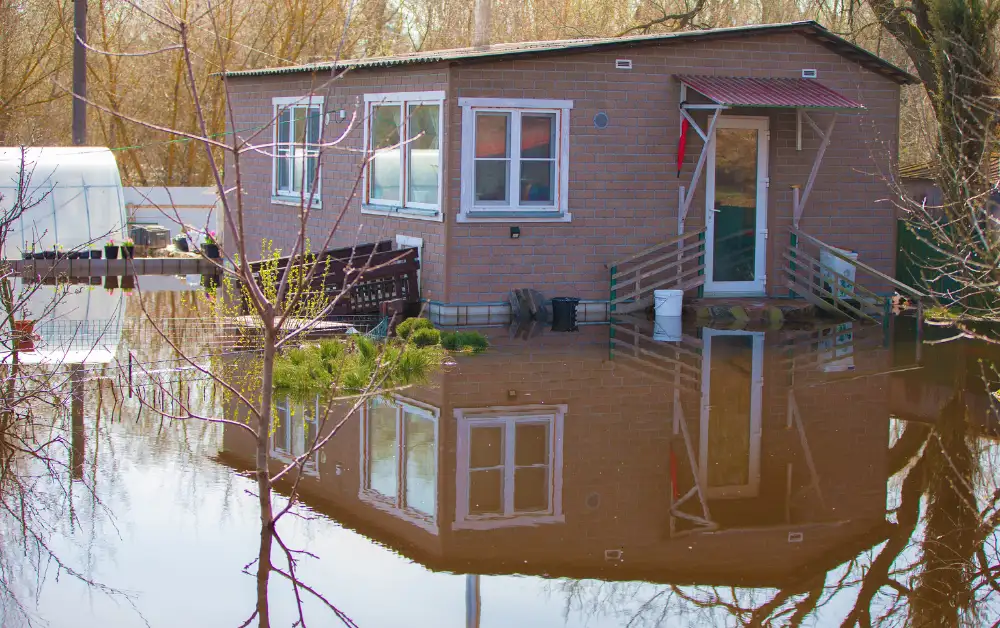
Estimating how much is flood Insurance in Florida depends on a range of factors such as location, property characteristics, and coverage amount, with annual premiums spanning a wide range due to rising risks and regulatory changes. This guide provides detailed insights into Florida flood insurance costs, coverage options, exclusions, claims steps, and key official resources for residents to make informed choices.
Who This Policy Is For & Eligibility
Florida homeowners, condo owners, and renters in flood-prone regions or Special Flood Hazard Areas (SFHAs) are the primary policyholders.
Mortgage lenders typically require flood insurance for properties in federally mapped high-risk zones (“A” or “V” zones per FEMA).
Eligibility for federal National Flood Insurance Program (NFIP) coverage depends on property location in participating communities—verify on FEMA’s maps.
Private flood insurance is available in most Florida regions, often with broader or flexible coverage but varying underwriting standards.
There are no income or age restrictions; both owner-occupied and rental/secondary homes are generally eligible subject to underwriting.
Recent property buy/sell transactions or lender requirements may trigger mandatory purchase timelines; voluntary coverage can be obtained anytime, subject to waiting periods (commonly 30 days for NFIP policies, shorter for some private insurers).
Protects against commonly excluded perils in standard homeowners insurance (flooding is usually not covered by homeowners policies).
Fulfills lender requirements in high-risk flood zones to remain mortgage compliant.
NFIP coverage is guaranteed for all eligible properties in participating communities, with premiums regulated at the federal level.
Private flood can offer higher limits, additional living expense coverage, and sometimes faster claims service.
Transferable to new owners (NFIP policies), supporting property sales.
Cons
Premiums can be high in coastal and high-risk inland zones; sample range for Florida typically $500–$1,500 annually (“average” figures not guaranteed for individual properties).
NFIP caps on structure and contents limits ($250,000/$100,000) may be insufficient for higher-value homes.
Exclusions for basements, below-grade contents, and loss of use can leave policy gaps.
NFIP policies generally do not include Additional Living Expenses (ALE) if you are displaced.
30-day waiting period on NFIP policies limits immediate risk response (private market may differ).
Premiums subject to increase (illustrative: recent statewide increases around 6% per annum), especially with new FEMA risk rating models.
Costs & How Pricing Works
Flood insurance premiums in Florida vary widely—$500 to $1,500 is a common range but can be much higher for coastal and very high-risk inland properties.
Factors include FEMA flood zone (SFHA vs moderate/low risk), property elevation, foundation type, prior flood claims, building age, deductible chosen, and replacement/actual cash value basis.
Private flood insurance may use proprietary models or consider broader factors, sometimes offering flexible coverage tiers or endorsements/riders (such as basement contents or loss of use).
Homes built after flood maps were updated (“post-FIRM”) may be rated differently than older (“pre-FIRM”) properties.
Premiums recalculated annually and may be affected by FEMA risk rating changes, policy lapses, and state/local flood mitigation updates (sample: 2023–2024 saw a 6% statewide premium increase).
Discounts may be available for elevated construction, flood vents, or community mitigation programs, but are not guaranteed.
Homeowners may combine NFIP base coverage with excess flood from the private market for higher-value properties; this increases the total premium but extends coverage limits.
Perils, Endorsements & Exclusions
Standard flood insurance covers direct physical loss from flood (overflow, rapid water accumulation, or mudflow) as defined by FEMA or private policy terms.
Common exclusions: Earth movement (landslide), moisture/mildew not linked to covered flooding; additional living expenses (unless private policy includes), possessions below the lowest floor or in basements, landscaping, and vehicles.
Endorsements/riders in private market may cover more risks: pool repair, loss of rental income, or supplemental building or contents coverage.
Coverage is subject to waiting periods and eligibility checks at the time of purchase or policy change.
Flood & Disaster Considerations
Flood is excluded from standard homeowners or condo policies; separate flood insurance is required for any coverage.
Mandatory purchase sometimes triggered by federally backed mortgages in mapped high-risk zones (“A”, “V” flood zones).
Statewide exposure to hurricanes, storm surge, and heavy rain events makes flood coverage crucial; premiums may spike after significant disasters and as FEMA flood maps are updated.
After a flood loss, policyholders should promptly notify insurer and mitigate further damage if safe.
Inventory damaged property with photos/videos, gather receipts or appraisals for contents, and keep all proofs of loss.
Insurer assigns an adjuster who inspects the property and reviews documentation of the claim.
Claims paid on “actual cash value” (ACV) or “replacement cost value” (RCV) per policy terms and item insured; contents usually paid at ACV under NFIP.
Disputes over payout/denials may be appealed directly within insurer process or, for NFIP, escalated to FEMA.
Keep all communication, estimates, and settlement paperwork in a safe place for future reference or appeals.
File as soon as possible after loss—some policies may have strict timeframes for notification and submission of documentation.
Alternatives & Comparisons
Stand-alone flood policies from the private market may offer higher limits and additional features (ex: loss of use, higher-value structure and contents protection) versus the NFIP baseline product.
Bundling flood with standard homeowners/condo insurance is rare but emerging in some private markets; generally, separate policies are required.
Excess flood insurance can supplement NFIP or base private coverage for high-value homes.
“Actual cash value” settlements pay depreciated value; “replacement cost” covers full rebuilding/repair (if available as an option).
Speak to your state insurance department for complaint help or to compare NFIP versus private options; see NAIC consumer resources (official).
Side-by-Side Comparison
Feature
NFIP Base Flood
Private Flood Insurance
Excess Flood Policy
Coverage Scope
Up to $250K building, $100K contents, limited to structure/per FEMA
Higher limits; may add ALE or specialty coverage
Enhances base policy for high-value homes
Typical Premium
~$592 (sample/illustrative, varies)
$500–$1,500+ (illustrative, risk-dependent)
Varies, typically additional $300–$1,000+ on top of base
Deductible
$1,000–$10,000 options
More flexibility; $1,000, $5,000 or higher
Matches or follows base policy
Exclusions
No ALE, no basement/landscape, policy caps
May cover extra risks, but varies
Limited to excess, terms vary
Claims Process
Proof, adjuster, payout per FEMA
Proprietary, may differ
Requires base claim first
Important
This content is for educational purposes only. It is not insurance, legal, or tax advice.
Flood insurance premiums, eligibility, and policy features vary by location, insurer, and year; verify latest details with FEMA, Florida Office of Insurance Regulation, and your local/state authorities.
Quotes & Cost Drivers
Flood zone (SFHA and “A”, “V” designations) is the biggest cost driver.
Building elevation in relation to base flood elevation (BFE).
Construction features—foundation height, flood vents, age of structure.
Community flood mitigation actions (may reduce group risk rating).
Coverage amount for building and contents, and deductible choices.
Prior claims history (can raise rates or limit options).
Lender requirements and program eligibility (NFIP vs private).
Coverage Optimizer Checklist
Determine if you are in a high or moderate/low flood risk zone via FEMA flood maps.
List valuable possessions in high-risk areas (basements, garages); check sublimits and exclusions.
Consider replacement cost coverage or excess flood options for homes above NFIP caps.
Review deductibles for affordability versus premium.
Ask about available endorsements such as increased limits, ALE (from private market), or basement coverage.
Monitor annual premium changes and FEMA’s risk map updates.
Frequently Asked Questions
How much does flood insurance cost in Florida?
Sample annual cost: $500–$1,500 depending on risk and property details.
Statewide average premium is around $592, but high-risk areas may exceed $2,000.
Rates change yearly—check official sources for the most current data.
Does regular homeowners insurance cover flooding?
Standard homeowners policies do not cover flood damage.
A separate flood policy (NFIP or private) is required for any claim from rising water or storm surge.
Is flood insurance mandatory in Florida?
Lenders require coverage for properties in FEMA-designated SFHAs (Special Flood Hazard Areas).
Voluntary for other properties, but recommended throughout Florida due to exposure.
What affects my flood insurance premium?
Main drivers: flood zone, property elevation, home building type, deductible, prior claims.
Premiums are recalculated periodically and may rise with risk updates.
How soon does flood insurance take effect?
NFIP policies: 30-day waiting period from purchase to effective date (exceptions for lender-driven purchases).
Private policies may offer shorter waiting periods—verify terms before purchase.
Conclusion & Next Steps
Flood insurance in Florida is a vital safeguard due to high exposure and frequent storm events, with average premiums commonly ranging from $500 to $1,500 per year but subject to annual increases, risk rating changes, and property characteristics.
Both NFIP and private flood insurance options are available, each with specific coverage limits, exclusions, and claims processes.
Carefully review policy documents, seek endorsements if gaps exist, and monitor annual premium adjustments.