
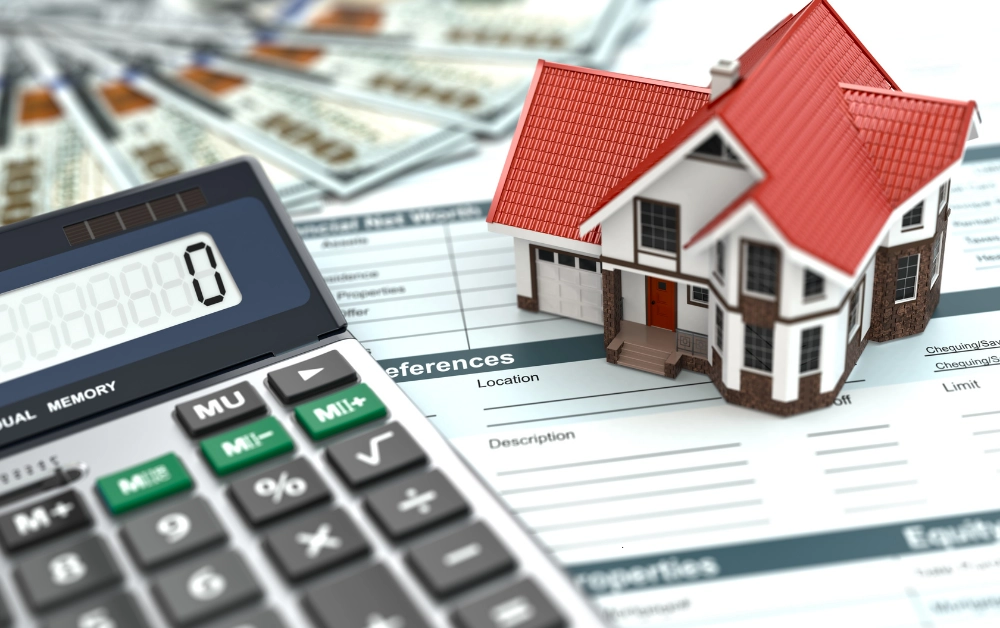
How much is a mortgage on a 300k house is a common question for prospective homebuyers considering affordability, monthly payments, and total costs. This detailed guide breaks down sample mortgage payments for various loan terms and rates, and explores all the key factors—like down payment, interest rate, taxes, Insurance, and loan program differences—that affect what you may pay on a $300,000 home purchase.
Direct Answer
- Monthly payments on a $300,000 house depend on down payment, interest rate (fixed vs adjustable), loan term (e.g., 30-year vs 15-year), and required mortgage insurance.
- For a $300,000 loan at a “sample/illustrative” 7% fixed rate over 30 years, principal and interest would be about $1,995/month; with a 20% down payment ($60,000), the loan amount drops to $240,000, making the payment about $1,596/month.
- These figures do not include property taxes, homeowners insurance, HOA dues, or PMI/MIP if your down payment is below 20%.
- Cash needed at closing typically includes the down payment plus closing costs (2–5% of price), which means $6,000–$15,000+ in addition to the down payment.
- Mortgage payments can change year to year if you use an adjustable-rate mortgage (ARM) or if your taxes or insurance costs rise.
- Mortgage calculators provided by U.S. authorities can help estimate real-time payments. Official payment calculators: CFPB sample loan costs tool
- Total lifetime interest paid varies: shorter terms and lower rates reduce total interest, but raise the monthly payment. See the representative example below for details.
- Always verify payment scenarios with official disclosures or direct from your lender, as rates and qualification rules change frequently.
Who This Mortgage Is For
- First-time homebuyers seeking a typical U.S. home in many suburban and urban markets.
- Move-up buyers wanting larger or higher-value property (not considered “jumbo” in most counties).
- Borrowers using conventional, FHA, or VA financing; USDA in eligible rural areas (loan limits may apply).
- Self-employed buyers, families, and investors—eligibility, documentation, and down payment requirements vary.
- Anyone evaluating affordability, down payment trade-offs, and their own qualification.
Key Facts (At-a-Glance)
| Feature | Typical/Illustrative Value for $300k Home |
|---|---|
| Loan Purpose | Purchase or refinance |
| Occupancy | Primary, second home, or investment |
| Rate Type | Fixed (most common), Adjustable (ARM) options |
| Sample APR | 7.0–7.5% (“sample/illustrative” as of mid-2024) |
| Points & Credits | Optional; 1 point = 1% of loan ($3,000 for $300k), affects APR |
| Down Payment | 5–20% typical; 0% VA/USDA for eligible borrowers |
| Max LTV | 80–97% (varies by loan type) |
| Max DTI | 43–50% (varies by program/underwriting) |
| PMI/MIP | Required if <20% down on conventional; upfront & annual for FHA |
| Loan Limits | Within conforming limits (U.S. baseline $766,550 for 2024) |
| Closing Costs | 2–5% of purchase price ($6,000–$15,000 typical) |
| Prepayment Penalty | Rare for owner-occupied loans (check terms) |
| Rate Lock | Typically 30–60 days |
| Escrow Required | Common for taxes/insurance if <20% down |
Pros
- A $300,000 home is within “conforming limits,” so broad access to low-down-payment programs like FHA, VA, and standard conventional.
- 20% down can eliminate PMI on a conventional mortgage, lowering monthly payments.
- 30-year fixed rates offer predictable monthly payments and easier budgeting over the long term.
- Early repayment options may be available without penalty, so interest savings can be achieved by paying extra principal.
- Diverse rate options—fixed or adjustable—let you tailor monthly costs to your comfort and future plans.
- Refinancing paths are more flexible due to standard loan size and government-backed programs.
Cons
- Even at median U.S. prices, monthly payments (especially with high rates or low down) may exceed affordable limits for some buyers.
- Significant cash is needed for down payment and closing costs; saving 20% ($60,000) can be a major barrier.
- PMI or FHA mortgage insurance adds cost if you put less than 20% down.
- Taxes and insurance must be budgeted in addition to lender-quoted “principal and interest.”
- Interest costs over 30 years can exceed the original loan amount if not prepaid or refinanced at a low rate.
Costs, APR & Amortization
- The “interest rate” is what the lender charges on your outstanding principal.
- APR (annual percentage rate) includes interest plus lender-required fees—points, some closing costs—so it’s higher than the rate alone.
- PMI or MIP (for FHA) if needed, adds to actual costs but may not be included in all APR calculations.
- Escrow for taxes and insurance is separate from principal & interest but usually paid monthly through your mortgage servicer.
- Items often not in quoted APR: property taxes, hazard insurance, HOA dues, optional inspection/appraisal fees.
| Representative Example (“Sample/Illustrative”) | 30-Year Fixed | 15-Year Fixed |
|---|---|---|
| Purchase Price | $300,000 | $300,000 |
| Down Payment | $60,000 (20%) | $60,000 (20%) |
| Loan Amount | $240,000 | $240,000 |
| Interest Rate (Sample) | 7.0% (as of mid-2024) | 6.5% |
| Monthly Principal & Interest | $1,596 | $2,090 |
| Total Est. Interest (Life) | $335,000 | $136,000 |
| PMI/Insurance | Adds $100–$250/mo if <20% down | Adds $100–$250/mo if <20% down |
| Taxes/Insurance | Typically $300–$700/mo (regional/lot size) | Typically $300–$700/mo (regional/lot size) |
Fixed vs Adjustable (ARM)
- Fixed-rate mortgage: rate and payment stay the same for the full term (e.g., 30 years).
- Adjustable-rate mortgage (ARM): rate fixed for initial period (e.g., 5/6 or 7/6), then resets at intervals, usually based on an index plus a margin. Initial rates usually lower than fixed, but payments may rise after intro period.
- Common ARM caps: annual adjustment and lifetime caps limit how much your rate/payment can increase.
- ARM may suit borrowers who plan to sell or refinance in a few years and want a lower intro payment.
Eligibility, Underwriting & Documentation
- Lenders review income, employment, assets (for down payment and reserves), credit score, and debts (DTI ratio).
- Standard DTI maximum is 43–50% (upper bound possible with compensating factors/program exceptions).
- Down payment funds can come from savings, gifts, grants, or sometimes accepted assistance programs.
- Appraisal required to confirm value meets/exceeds sale price. Title search to ensure clear ownership.
- For special programs (FHA, VA, USDA), additional documentation—military discharge forms, residency, etc.—may apply.
Application, Disclosures & Closing Timeline
- Get pre-approved to understand your price range and loan options.
- Submit official loan application with supporting documents (pay stubs, tax returns, IDs, bank statements).
- Receive a Loan Estimate within 3 days—see sample forms from the official CFPB homepage.
- Processing includes appraisal, title search, and full underwriting.
- Receive Closing Disclosure at least three days before closing—review all costs and terms.
- Signing and funding typically 30–45 days from contract; delays possible with complex underwriting or needed repairs.
Government-Backed & Special Programs
- FHA: Low down payment (3.5%+), flexible credit. Upfront and ongoing MIP required. See official HUD homepage.
- VA: 0% down for eligible veterans, no PMI, funding fee applies. See the official VA homepage.
- USDA: 0% down in qualifying rural areas, annual guarantee fee. Check USDA Rural Development for eligibility.
- State and local agencies often offer down payment assistance or special first-time buyer programs—search your state’s official housing agency.
Rate Locks, Points & When to Reprice
- Rate lock protects you from rate increases during application (typically 30–60 days). Lock extensions may come with a fee.
- Float-down options let you capture a drop in rates if available before closing.
- Discount “points” paid up front can lower your rate: 1 point = 1% of loan amount.
- Lender credits can reduce closing costs in exchange for a higher rate.
Refinance & Remortgage Options
- “Rate and term” refinance can lower your monthly payment or shorten your loan term.
- Cash-out refinancing allows borrowing higher than your current balance (capped by LTV rules); new appraisal required.
- Streamline options (FHA/VA) offer faster process with limited documentation for eligible borrowers.
- “Break-even” calculation helps you assess whether future savings outweigh upfront refinance fees.
Risks & Responsible Borrowing
- Payment “shock” may occur if rates rise (for ARMs) or when insurance/taxes increase.
- Borrowing the maximum may stretch your budget—reserve for emergencies, maintenance, and property taxes.
- Falling property value could put you at risk if you need to sell quickly (“negative equity”).
- Failure to make payments can lead to foreclosure; make sure to review all obligations and seek advice from HUD-approved counselors if needed.
Alternatives & Comparisons
- Consider renting, lower purchase price, or higher down payment to manage monthly costs and overall affordability.
- Compare conventional, FHA, and VA to see which program fits your credit, income, and homebuyer status.
Side-by-Side Comparison
| Feature | Conventional | FHA | VA | USDA |
|---|---|---|---|---|
| Down Payment | 5–20% | 3.5% | 0% (if eligible) | 0% (if eligible) |
| PMI/MIP | Yes, <20% | Upfront + annual MIP | No PMI, funding fee | Guarantee fee |
| Minimum Credit Score | 620–640 | 580 | No fixed minimum | Typically 640 |
| Upfront Fees | Varies, points | 1.75% UFMIP | 1.4–3.6% fee | ~1% guarantee |
| Closing Costs | 2–5% | 2–5% | 2–5% | 2–5% |
Repayment Pathways Table
| Pathway | How it Works | Pros | Cons | Timeline/Risks |
|---|---|---|---|---|
| Sell the Home | Proceeds repay outstanding balance at closing. | Clears debt, unlocks equity. | Market risk, costs to sell. | Typically 1–3 months; variable with market. |
| Cash Payoff | Pay balance in full at any time (no prepayment penalty on most). | Eliminate ongoing interest. | Requires available funds. | Instant payoff; verify with servicer for payoff statement. |
| Refinance | Replace old mortgage with new one at new rate/terms. | Reduce payment or cash out equity. | Closing costs, may re-start amortization. | 30–45 days average. |
| Deed-in-Lieu/Short Sale | Alternative in hardship cases; home surrendered to lender. | May avoid foreclosure. | Damages credit, possible deficiency risk. | Variable; must be negotiated with servicer. |
If–Then Decision List
- If staying in the home long-term, fixed-rate may offer best payment stability.
- If moving in under 5–7 years, ARM could reduce cost—only if comfortable with future payment risk.
- If unsure about income stability or major home repairs, keep cash reserves in addition to down payment.
- If unable to afford needed repairs upfront, consider negotiation or an FHA 203(k) rehab loan.
Heirs’ Playbook (If Homeowner Dies)
- Gather proof of death, will/trust documents, and home/mortgage account details.
- Contact servicer to request a payoff statement and outline options—sell, refinance, or keep the property.
- State law may set deadlines for heirs to act; probate court could be involved.
- Verify if mortgage due-on-sale/due-on-transfer clauses apply (consult with title attorney if unsure).
Methodology & Assumptions
- All payment examples use “sample/illustrative” rates based on reported market averages for new loans in mid-2024; individual outcomes will differ.
- Loan term assumptions use standard 30-year and 15-year fixed; ARMs and non-standard terms not included in payment tables.
- Taxes, insurance, and HOA dues vary dramatically by location and property specifics—verify with your local tax assessor or insurance agent.
- Reviewed by mortgage content editor, June 2024; figures are subject to change.
Review & Update
- Reviewed by mortgage content specialist, June 2024.
- All figures “sample/illustrative;” consult official sources for current rates and loan limits (FHFA).
Related Questions (Quick Answers)
What is included in a monthly mortgage payment?
- Principal and interest make up the base payment amount.
- Escrowed taxes and insurance are often included, raising the total required each month.
- PMI/MIP and HOA dues may also be required based on loan type and property.
How does the down payment affect my monthly cost?
- Larger down payments reduce the loan amount and monthly principal/interest due.
- Putting 20% or more down can eliminate PMI on conventional loans.
- Down payment affects both payment and loan qualification (DTI/LTV limits).
What credit score is needed for a $300,000 mortgage?
- Minimum 620–640 for conventional; FHA allows down to 580 in some cases.
- Lower scores may mean higher rates and more restrictive terms or larger down payments.
- Non-traditional and government programs may consider alternative credit data.
Can I get a mortgage with a low down payment?
- Yes, FHA (3.5% down), VA (0% for eligible), and some conventional (3–5%) allow low down payments.
- PMI or MIP is usually required until a set equity percentage is reached.
- State/local first-time borrower programs may offer grants or DPA loans; check official housing agency sites.
Frequently Asked Questions
How do property taxes and homeowners insurance affect my total payment?
- Property taxes and insurance are escrowed monthly by most lenders and can add $300–$700+ to monthly cost, depending on property value and location.
- These amounts are subject to change annually, which can affect your payment even on a fixed-rate loan.
What happens if I can't make my mortgage payment on a $300,000 home?
- Contact your loan servicer immediately; options may include temporary forbearance, loan modification, or structured repayment plans.
- Missed payments may lead to late fees, negative credit reporting, and eventually foreclosure if unresolved.
- Resources: HUD-certified counseling via the official HUD homepage.
Is PMI always required if I put less than 20% down?
- On conventional loans, yes—PMI is required until 20–22% equity is reached. FHA has MIP regardless of down payment size.
- VA and USDA loans do not require PMI, but have other funded fees (see terms for details).
Can I use gift funds or assistance programs for my down payment?
- Most loan programs allow some or all of down payment from gifts or state/local housing grants, with documentation.
- Consult your lender and program details to verify requirements.
What is a good debt-to-income ratio for qualifying?
- Most programs target less than 43% of gross income for total debt payments, but some flexible programs allow up to 50% with compensating factors.
Conclusion & Next Steps
- A mortgage on a $300,000 house is within reach for many first-time and repeat homebuyers in the U.S., but monthly payments, required down payment, insurance, and taxes must all be weighed carefully.
- Interest rates, loan program, credit score, and local property costs all shape your true monthly outlay and overall affordability.
- Before making offers, use official calculators (e.g., CFPB) and get pre-approved to confirm your range.
- Review, compare, and verify all figures with your lender and consult public authority sources before signing any loan documents.