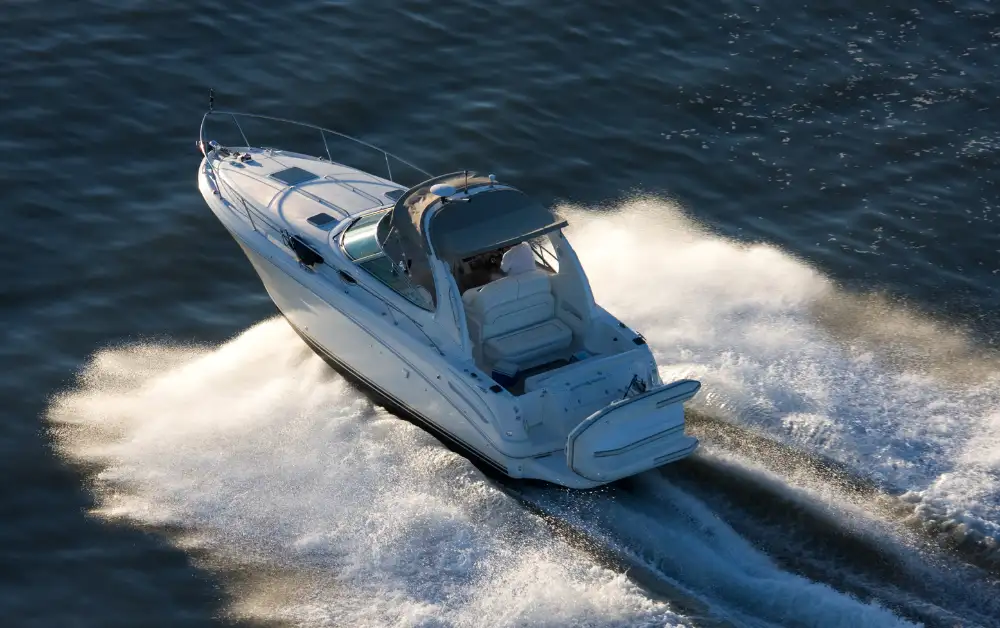
Understanding how much boat Insurance costs can help boat owners plan for the financial protection they need while navigating U.S. waters. The price for boat insurance depends on several factors, including the size, type, and use of the vessel, with average yearly premiums commonly ranging between $300 and $600, and monthly costs from $15 to $50, depending on individual circumstances and coverage choices.
Who This Policy Is For & Eligibility
Boat insurance is generally for owners of motorboats, sailboats, personal watercraft (PWCs), fishing boats, yachts, and other watercraft.
Eligibility may require the vessel to meet certain age, length, or value restrictions, which vary by insurer and state.
PWC users, liveaboard boaters, and those with yacht-class vessels may have different policy requirements or limitations.
Boaters who finance or lease their vessel are often contractually obligated to have specific minimum levels of physical damage and liability insurance.
State watercraft registration laws differ; some states require proof of insurance for certain waterways or boat types.
Coverage for operators with previous claims, DUIs, or boating violations may be subject to underwriting review or surcharges.
Key Facts (At-a-Glance)
Item
Details
Coverage Types
Liability, hull (physical damage), medical payments, uninsured/underinsured boater, personal effects, towing.
Premium
Sample range: $300–$600 per year; $15–$50 per month depending on size, type, use, and location.
Deductible
Typically $250–$1,000; chosen by policyholder. Affects premium.
Policy Limits
Varies by coverage part; liability may be $100,000–$1,000,000+; hull coverage up to vessel value.
Endorsements/Riders
Agreed value vs actual cash value, fishing gear, trailer, towing assistance, hurricane haul-out.
Exclusions
Wear and tear, improper maintenance, commercial use, racing (unless endorsed), named storms in certain areas.
Claim Process
Contact insurer, document damage/incident, adjuster review, estimate, repair or settlement.
State Requirements
Insurance not required by all states; verify on your state insurance department (official homepage).
Pros
Financial protection for hull, equipment, and liability related to injuries or property damage.
Peace of mind while boating, especially in crowded or unfamiliar waters.
Coverage for theft, fire, vandalism, and certain natural disasters (per policy terms).
Optional towing, emergency services, and personal effects coverages available.
Liability protection if you are sued due to a boating accident.
Cons
Premium may increase due to prior claims, location (hurricane-prone areas), or high-value watercraft.
Some perils are excluded, such as wear and tear or commercial activities.
Deductibles and out-of-pocket costs apply for claims.
State requirements and lender mandates may add complexity.
Costs & How Pricing Works
Premiums depend on boat type (fishing, sail, yacht, PWC), length, horsepower, age, and value.
Where the vessel is moored (marina, dock, dry stack, home), local theft/storm frequency, and region affect rates.
Liability and hull limits, plus selected endorsements, directly impact the premium.
Claims history, operator experience, and boating safety courses may influence pricing.
Deductible amounts allow some control of the premium, with higher deductibles usually reducing costs.
Certain discounts (documented boating courses, clean claims record, affiliated organization memberships) may be available but are not guaranteed.
Actual coverage and price should be verified with your insurer or via your state insurance department (official homepage).
Covered Services & Exclusions
Standard coverage usually includes hull physical damage (collision, sinking, fire, theft) and liability for third-party injury or property damage.
Medical payments coverage addresses small injury claims; uninsured/underinsured boater coverage covers incidents with poorly insured parties.
Optional endorsements may add agreed value settlement, personal effects, on-water towing, or fishing equipment coverage.
Common exclusions: wear and tear, gradual deterioration, intentional damage, commercial/charter use (without endorsement), and racing.
Some carriers may exclude hurricane or named storm losses in coastal zones, or impose special deductibles.
Educational-only note: Each policy is unique; review documentation for specifics and verify state requirements with the insurance department or NAIC resources (official homepage).
Claims & Appeals Process
Notify your insurance provider as soon as possible after any accident, theft, or damage.
Document the event with photos, police/MARINA reports, and maintenance records.
An adjuster may inspect the vessel and estimate repair costs or total loss value.
You may need to get repair estimates from approved facilities.
If the claim is denied or you disagree with the settlement, you can request an internal appeal or contact your state insurance department (official homepage) for complaint resources.
State Rules & Minimums
Unlike auto insurance, boat insurance is not universally required by state law, but rules vary—some states or specific water bodies mandate liability coverage or proof of financial responsibility.
Lenders often require comprehensive and collision coverage until the boat is paid off.
Check current local requirements with your state insurance department (official homepage), as they can change annually.
NAIC consumer resources (official) provide educational materials on state insurance rules.
Quotes & Cost Drivers
Selection of liability, hull, and optional coverages sets the coverage limits and baseline costs.
Boat type, size, age, and primary location (including hurricane/flood zones) drive the rate.
Where the vessel is stored (indoors/secured facility vs. moored) can factor in.
Operator history (claims, boating education, accidents) is reviewed by underwriting.
Payment mode (annual lump sum vs. monthly) may affect pricing; installment premiums can be slightly higher due to service fees.
Coverage Optimizer Checklist
Confirm you are insuring for the correct hull value (agreed value vs actual cash value discussed at underwriting).
Assess if personal effects, trolling motor, trailer, or specialized equipment needs to be scheduled.
Review liability limits to match assets at risk if sued.
Understand windstorm/named hurricane deductibles and actual coverage in coastal/river zones.
Consult your policy for exclusions—many exclude wear and tear or mechanical breakdown unless specifically endorsed.
Ensure your policy is compliant with lender or marina requirements if applicable.
Alternatives & Comparisons
Homeowners insurance may offer limited coverage for small boats (typically <26 feet and low horsepower), but not for physical damage or liability outside the home.
PWC and yacht policies often have higher premiums and more complex endorsements—compare features before buying.
Liability-only policies are cheaper but provide no hull or theft coverage; comprehensive (full) policies offer broader protection.
Actual cash value policies pay depreciated value; agreed value pays negotiated amount (premium is higher).
Side-by-Side Comparison
Feature
Liability-Only Policy
Comprehensive/Fully Endorsed
Homeowners Extension
Coverage Scope
Third-party injury/damage only
Hull, theft, personal effects, towing
Limited (usually <26 ft, no physical damage)
Typical Premium
$100–$200/year (sample/illustrative)
$300–$600+/year (sample/illustrative)
Often included; no hull coverage
Deductible
$250–$500 (sample/illustrative)
$250–$1,000 (sample/illustrative)
N/A
Exclusions
No hull or theft, no towing
Wear/tear, commercial/racing, some natural disasters excluded
Most boating perils excluded
Claims Process
Basic, for liability events
Full-service, adjuster review
Unlikely for off-site/hull losses
Important
This content is for educational purposes only. It is not insurance, legal, or tax advice.
Policy terms, eligibility, and pricing vary by state and insurer; verify details on official sources such as your state insurance department (official homepage) or NAIC consumer resources (official).
Frequently Asked Questions
Is boat insurance required by law in all states?
No, most U.S. states do not mandate boat insurance, but some inland or state-managed waterways do. Always check the latest rules with your state insurance department (official homepage).
Lenders, marinas, or boat clubs may require proof of insurance regardless of state law.
What does boat insurance typically cover?
Standard liability (bodily injury/property damage), hull physical damage, medical payments, and optionally, towing, personal effects, or fishing equipment.
Coverage for theft, fire, and select natural disasters, subject to policy exclusions.
How can I lower my boat insurance premium?
Increase your deductible, complete certified boating safety courses, maintain a clean claims record, or store your boat in a secured facility (where possible).
Some insurers offer loyalty or multi-policy discounts, but these are not guaranteed. Always verify with the provider.
Are there restrictions on where I can use my insured boat?
Policies may restrict coverage to U.S. waters or have navigational limits (e.g., coastal vs. inland lakes).
Certain high-risk waters or international travel may require special endorsements.
What’s the difference between agreed value and actual cash value in boat insurance?
Agreed value pays the predetermined amount without depreciation if the boat is a total loss. Premium is typically higher.
Actual cash value pays depreciated market value at the time of loss. Initial premium is lower, but payout after loss may be less.
Does my homeowners insurance cover my boat?
Homeowners policies may provide limited coverage for small boats but usually exclude physical damage, theft away from home, or higher liability risks associated with boating.
Dedicated boat insurance offers more comprehensive protection.
How soon can coverage start?
Coverage typically begins once the application is accepted and any required underwriting is complete.
Check with your insurer regarding waiting periods or inspection requirements.
Conclusion & Next Steps
Boat insurance offers crucial protection for vessel owners, whether mandated by a lender, marina, or desired voluntarily for peace of mind.
Costs typically range from $300–$600 per year ($15–$50 per month), but rates are highly personalized based on location, boat details, and coverage selected.
To ensure compliance and optimal protection, consult your state insurance department (official homepage) or NAIC consumer resources (official) for the most current regulatory requirements and consumer guides.
Always review your actual policy terms for coverage details, limits, exclusions, and endorsement options.