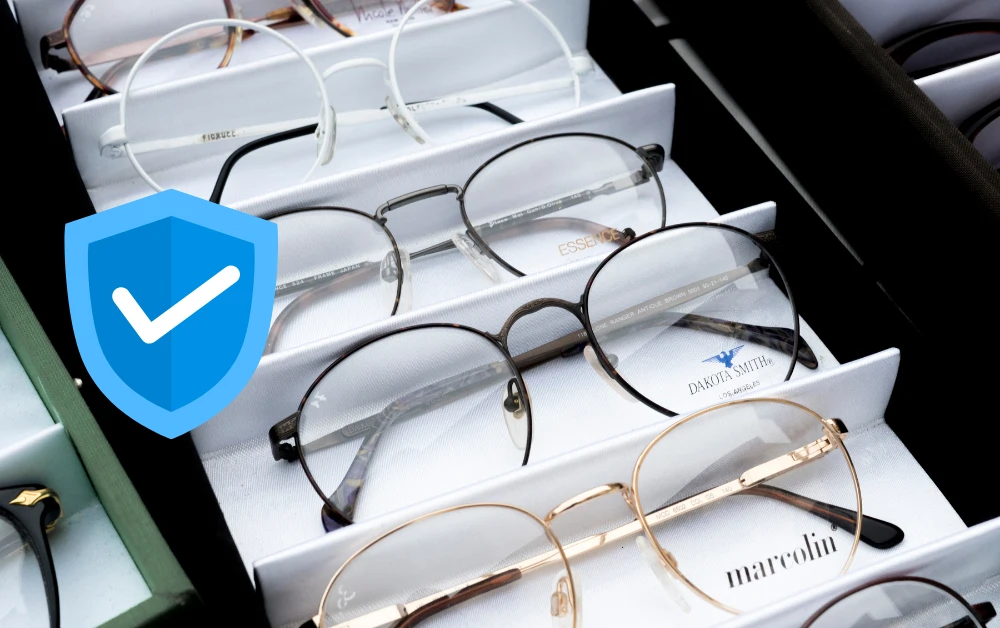
Understanding how much glasses without Insurance cost is vital for individuals who pay out of pocket for vision care, as prices can vary based on frames, lenses, upgrades, location, and retailer. This page explores price ranges, key cost drivers, and what consumers should expect to pay, using only U.S. figures for 2025 and the latest available data on common options for prescription eyewear.
Who This Policy Is For & Eligibility
Anyone needing prescription glasses who does not have vision insurance through an employer, private plan, or government program.
Students, retirees, part-time workers, and gig workers, who often lack comprehensive vision coverage, typically pay out of pocket.
You can purchase glasses without insurance at online retailers, brick-and-mortar optical chains, big-box stores, and some independent optometrists.
No eligibility requirements to purchase glasses with private funds except for a valid prescription (usually required, dated within the last 1–2 years).
Eye exams are usually a separate cost unless stated otherwise by the provider or retailer.
Prices, available styles, and lens materials may vary by location and provider; confirm full details before purchasing.
Affordable options exist, but premium brands, designer frames, and specialty lenses increase costs significantly.
Key Facts (At-a-Glance)
Item
Details
Frame Price Ranges
Budget frames can start at $20–$50; mid-tier brands $95–$200; designer brands may exceed $200–$500 (prices are sample/illustrative).
Basic Single Vision Lenses
Often included with frame purchase, especially at online retailers; otherwise $20–$100/sample pair.
Bifocal/Progressive Lenses
Additional $50–$200+ per pair over basic lens costs, depending on technology and features.
Popular Retailers
Online (prices start ~ $95, e.g., leading budget providers); big box (frames + lenses $80–$200); optical chains (varied prices; ask for package deals).
Eye Exam Cost
Typical walk-in rates are $70–$100 at warehouse clubs, $80–$150+ at private optometry offices (sample figures only).
Lens Upgrades
Anti-reflective, blue light, photochromic/tinting upgrades can add $20–$150+ to total cost.
Out-of-Pocket Maximum
No legal cap; pay full amount unless covered by financial assistance program.
Typical Turnaround Time
In-store pickup may be same day for basic prescriptions; custom or progressive orders 1–2 weeks (varies by provider).
Pros
No insurance authorizations, network restrictions, or preauthorization delays to purchase glasses.
Shop freely at online, discount, warehouse, or premium optical retailers.
Can choose frames and lenses from any provider with transparent pricing.
Able to spot and avoid hidden costs by reviewing itemized receipts.
Eligible for posted sales, coupons, or price matches that might not apply to insured orders.
Cons
No coverage for eye exam, frames, lenses, repairs, or upgrades—costs are entirely out of pocket unless you qualify for external assistance.
No copays, coinsurance, or negotiated network rates; prices may be higher than insurance-negotiated costs.
May lack access to premium/high-tech lens products typically offered with insurance at lower cost.
No direct recourse for appeals if dissatisfied with product or services; resolution is between consumer and retailer.
Taxes and fees may increase total price unexpectedly if not disclosed upfront.
Costs of upgrades or replacements due to loss or damage are not covered.
Costs & How Pricing Works
The full price of glasses is determined by the frame selection, lens type, optional coatings/upgrades, and provider type (online, big box, optical chain, or independent).
Frame cost: Budget options start as low as $20–$95; designer or high-end frames can exceed $200+ (sample figures only).
Lens cost: Basic single vision lenses are sometimes included in low-cost package deals; bifocals/progressives, high-index thin lenses, and impact-resistant plastic increase the price.
Popular provider bundles: Typical package deals (exam + 2 pairs for $89–$122) may still require extra for special features or prescriptions.
Exam cost: Standalone eye exams at big box stores can be as low as $70–$80; private-optometrist exams are usually higher.
Upgrades: Coatings and lens enhancements (anti-glare, blue light blocking, tinting) range from $20–$150 extra, depending on complexity.
Turnaround: In-store pickup may be quick if inventory and lab capabilities allow; custom prescriptions or online shipping will have additional wait time.
Covered Services & Exclusions
Purchases without insurance provide access only to frames and lenses specified in your order (no coverage for lost, damaged, or stolen glasses after purchase).
Refitting or adjustments may not be included with some online/discount retailers; inquire before purchase.
Advanced multifocal/progressive lenses, high-index materials, and premium coatings often have surcharges.
Warranty or satisfaction guarantees are policy- and retailer-specific; read terms before final payment.
Some consumer assistance programs, nonprofits, or clinics may offer free or low-cost options for qualifying individuals; verify eligibility and availability locally.
No insurance coverage means there are no annual dollar limits or network rules but also no protection from full retail prices.
Quotes & Cost Drivers
Choice of frames (brand, material, style) has the greatest impact on base price.
Lens type (single vision, bifocal, progressive, high-index, polycarbonate) influences the final bill.
Location: Prices typically lower at large retailers, warehouse clubs, and online shops compared to independently owned local optical stores.
Special coatings or features (scratch, UV, anti-reflective, blue light) are optional and priced separately.
Eye exam: Some packages include or discount the exam, but it is often billed as a separate service.
Retail policies (price matching, promotions, guarantees) can affect your final out-of-pocket costs.
Claims & Appeals
Glasses purchases without insurance generally do not involve any claim process; payment is required upfront or at order pickup.
Any issues with product quality, prescription accuracy, or fit must be addressed directly with the retailer’s customer service or manager.
If the retailer has a return, refund, or warranty policy, follow the specified steps for resolution (may require receipts and original packaging).
Online eyewear retailers frequently offer lower prices for frames and single-vision lenses, sometimes starting below $50 per pair, including basic lens options (verify prescription requirements and return policies).
Big box warehouse clubs often provide affordable exams (sample $80) and value-priced glasses, but membership is usually needed.
Discount chain optical retailers provide exam + glasses “bundles” (e.g., two pairs from $89–$122 sample, plus any chosen upgrades).
Independent optometrists often have higher price points but may offer boutique service and broader frame/lens options.
Some nonprofit clinics and vision assistance programs (local or national) may offer low-cost or free glasses for those with financial need; eligibility varies.
Side-by-Side Comparison
Feature
Online Retailer
Big Box Store
Optical Chain/Private Office
Frame Selection
100+ styles, lowest prices
Moderate, brand mix
Wide/boutique, premium brands
Exam Included?
No; exam required separately
Usually offered in-store
Usually offered
Typical Premium
$20–$95+
$50–$200+
$90–$500+
Deductible
n/a
n/a
n/a
Upgrades Cost
Low–moderate
Moderate
High
Turnaround
5–14 days shipping
Same-day up to 7 days
1–2 weeks typical
Warranty
Varies by site
Often available
Often available
Important
This content is for educational purposes only. It is not insurance, legal, or tax advice.
Retailer policies, pricing, and services may change. Always confirm your out-of-pocket costs and terms before payment.
Frequently Asked Questions
How much do prescription glasses cost without insurance in the U.S.?
Budget frames plus basic lenses typically range from $50–$150 per pair at discount and online retailers (2025 sample figures).
Mid-tier or premium frames, plus upgrades, commonly cost $200–$500+ per pair.
Designer/exclusive collections may exceed $500, especially with multifocal lenses or premium materials.
What does an eye exam cost without insurance?
Warehouse club or big box store eye exams start as low as $70–$80 (sample/illustrative), though private optometrists can charge $100–$150+.
Some retailers offer bundled deals for exam plus glasses; check local providers for current pricing.
A valid prescription is required to purchase prescription eyewear (dated usually within the past 1–2 years).
Are there discounts or ways to save on glasses without insurance?
Shop during promotional sales, look for online retailer specials, or ask for multi-pair discounts.
Consider basic or in-house brands over designer frames for bigger savings.
Utilize flexible spending accounts (FSA) or health savings accounts (HSA) if available—see IRS HSA guidance (official) for allowable eyewear uses.
Do I have to buy my glasses from the same place as my eye exam?
No, once you have a valid prescription, you may shop at any retailer (online or in-store) for frames and lenses.
Request a copy of your prescription after every exam; it is your legal right to receive it.
What are common causes of higher costs when buying glasses without insurance?
Choosing premium/designer frames, high-index lenses, progressive/bifocal features, or added coatings.
Opting for in-store boutique or independent optical shops with specialized or luxury inventory.
Skipping price comparisons across multiple providers before purchasing.
Conclusion & Next Steps
Prices for glasses without insurance can vary widely, but budget options exist for under $100–$150 per pair for basic frames and lenses, while higher-end options with upgrades can reach $500+.
Always verify the full breakdown of frame, lens, upgrade, and exam costs before committing to a purchase.
If you have a health savings or flexible spending account, some or all eyewear costs may be eligible—confirm on the IRS site (official homepage).
Contact local retailers, compare online providers, and review independent consumer feedback to find the best value for your needs.