
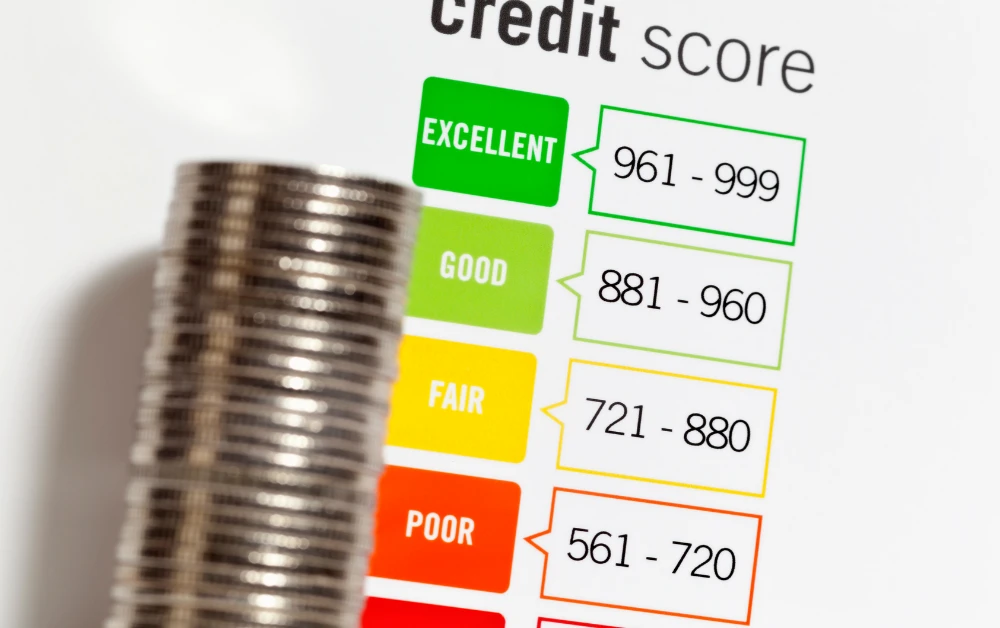
Understanding how many credit cards you should have to build credit is essential for strong financial health, especially as credit scoring hinges partly on your credit mix and responsible card management. This guide explores optimal card numbers, the key factors that impact your Credit Score, and strategies to maximize the benefits without elevating risk.
Overview
- There is no universally “correct” number of credit cards for building credit; the best approach depends on individual financial situations and goals.
- Credit bureaus and lenders focus on consistent, on-time payments, responsible use, and the percentage of your credit limit you use—known as your credit utilization ratio.
- Insights from official sources confirm that having multiple cards, if managed carefully, can offer both scoring and practical benefits.
Key Concepts
- Credit Utilization Ratio: The proportion of your total available credit you’re actually using. Most scoring models favor low utilization, generally below 30%.
- Payment History: On-time payments are a primary driver of good credit, regardless of card quantity.
- Credit Mix: Diversity of credit accounts (cards, loans, etc.) contributes to your overall score, but is a less significant factor than payment history or utilization.
- New Accounts & Inquiries: Each application for credit triggers a “hard inquiry,” which can temporarily lower scores; opening numerous new cards in a short time may signal risk to lenders.
- Credit Age: The average age of all your accounts matters—closing older cards could lower this average and negatively affect your score.
Data & Trends
- Recent industry reports (2025) show that most Americans possess between two and four credit cards, with responsible users often achieving the best credit scores (source: Federal Reserve statistical releases).
- Studies consistently indicate that having at least two open and active credit cards can help maintain a low credit utilization ratio and demonstrate prudent credit management (cross-validated by resources such as Vanquis, Citi, LendingTree).
- However, the potential benefit plateaus if additional cards are opened but not managed wisely or if they encourage overspending.
- Some consumers build credit with only one card, but this approach commonly requires stricter discipline regarding utilization and timely payments.
Drivers & Risks
- Potential Benefits of Multiple Cards:
- Lower average utilization due to higher overall credit limits.
- Ability to segment spending and optimize for different rewards programs for categories such as groceries, travel, or gas.
- Redundancy in case of card loss, fraud, or network outages.
- Risks and Drawbacks:
- Multiple cards demand greater attention to payment due dates and can increase the risk of missed payments, which substantially harms your credit score.
- Frequent applications can cause multiple inquiries, short-term dips in your score, and a lower average account age.
- Higher available credit could fuel overspending, leading to increased debt and interest payments.
- Potential for annual fees, foreign transaction fees, or dormant account fees if cards are left unused.
Comparisons & Case Studies
Single Card Strategy
- Using one card for all purchases simplifies management and minimizes the chance of missed payments or forgotten due dates.
- However, careful monitoring is required to keep your utilization low and to maintain flexibility if the card is lost or compromised.
Two-Card Approach
- Maintaining two credit cards gives more total available credit, often improving utilization ratios.
- Allows for diversification of rewards and a safety net in case one card is inaccessible.
Three or More Cards
- Experienced credit users may leverage multiple cards to maximize category rewards and optimize benefits like travel perks or cashback.
- Management becomes more complex, requiring diligent tracking of payment schedules and balances.
- Best suited for those with established credit habits and awareness of all associated risks.
| Strategy | Pros | Cons |
|---|---|---|
| One Card | Simple management, low risk of missed payments | Higher utilization risk, fewer rewards options, no backup |
| Two Cards | Better utilization, diversified rewards, backup option | Requires more tracking; potential for extra fees |
| Three or More Cards | Maximized rewards, flexible spending, strong credit mix | Complex management, higher risk of oversight or overspending |
Methodology & Sources
- Facts have been synthesized from recent credit education content published by banks such as Citi (official credit card information), major credit industry research, Vanquis (How Many Credit Cards Should I Have?), and LendingTree (credit cards overview).
- Statistical context is informed by Federal Reserve credit and debt data (central bank credit statistics).
- For the most accurate and up-to-date information, refer to official issuer disclosures and regulatory sites, as card terms and scoring criteria may evolve.
- All quantitative figures are current as of 2025 or labeled as “sample/illustrative” where precise industry consensus is lacking.
Frequently Asked Questions
Does having more credit cards always help my credit score?
- Not necessarily—more cards can help by lowering utilization, but only if payments are timely and balances are managed responsibly.
- Too many new cards at once may temporarily lower your score due to hard inquiries and reduced average account age.
What is a good number of credit cards to start building credit?
- For most people, starting with one or two credit cards is sufficient for healthy credit-building while keeping management simple.
- There is no specific “ideal” number; personal discipline and habits matter more.
Can having just one credit card hurt my credit?
- Not inherently, but it can make it harder to keep a very low utilization ratio.
- A single card is easier to manage but may limit your available credit and rewards options.
Conclusion
- There is no one-size-fits-all answer to how many credit cards you need to build credit; thoughtful management of one, two, or more cards can support your credit profile.
- Most credit experts and issuers agree that maintaining at least one to two cards is sufficient for establishing and growing credit, as long as balances are kept low and payments are made on time.
- Review official resources or consult your card issuer’s education pages for the most current guidance on responsible credit use and cardholder best practices.