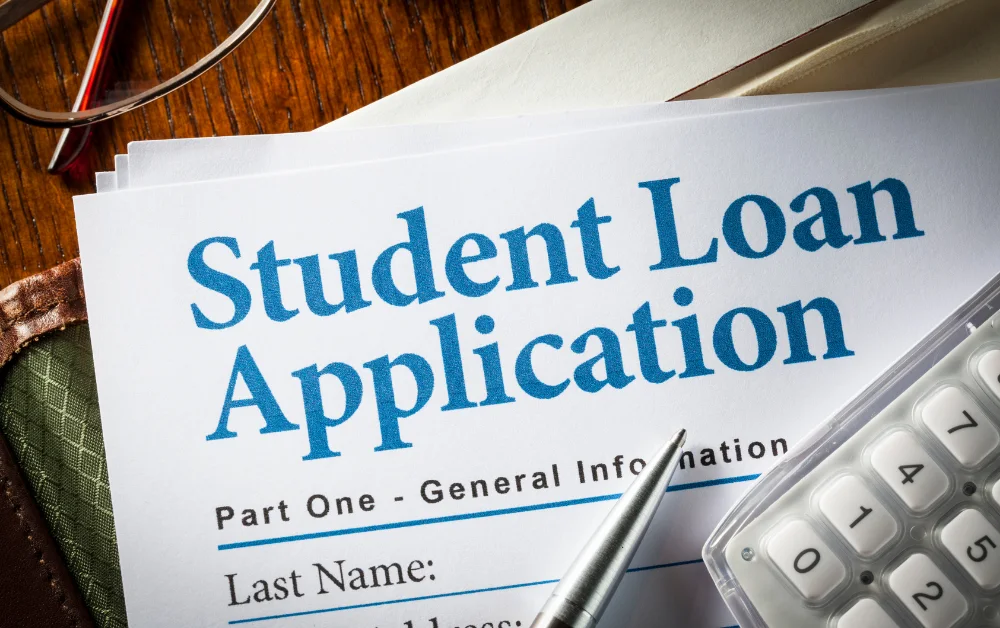
Understanding how to get a Student loan without a cosigner is crucial for students who lack access to a creditworthy guarantor, and this guide explains both federal and private loan options, eligibility steps, and practical considerations for independent borrowing.
Who This Loan Is For
Designed for undergraduate and graduate students who do not have, or do not wish to use, a cosigner on their loan applications.
Applies to U.S. citizens, permanent residents, and in some cases, eligible noncitizens; most federal student loan programs are accessible without a cosigner.
International students usually require a cosigner unless applying through specialized programs or schools with unique arrangements.
Key Facts (At-a-Glance)
Item
Details
Program Type
Federal (Direct Subsidized, Direct Unsubsidized, Grad PLUS in some cases) and select private student loans (limited lenders)
Interest
Federal: Fixed, set by Congress per academic year; Private: Fixed or variable (“sample/illustrative”)
Accrual
Subsidized: Interest paid by the government during school and grace; Unsubsidized/private: Borrower pays all interest, which may be capitalized
Federal: Typically 6 months post-graduation or below half-time status; Private: Varies—some require immediate payment
Deferment/Forbearance
Federal: Broad access; Private: Lender-specific, more limited
Forgiveness/Discharge
Federal: Public service, teacher, IDR-end, disability, school closure; Private: Rare
Annual & Aggregate Limits
Federal undergraduate (“sample/illustrative”): $5,500–$12,500/year, aggregate $31,000 (dependent) or $57,500 (independent); Graduate: Higher. Private: Lender-determined/COA minus other aid
Fees
Federal: Origination fee (sample/illustrative: 1.057%–4.228%); Private: May include origination, late, or insufficient funds fees (“sample/illustrative”)
Cosigner Rules (Private)
Eligibility often requires established credit/income. Cosigner-free loans limited to students with strong credit or select lenders (some assess school/program or GPA instead of credit)
Pros
Federal student loans do not require a cosigner and offer access regardless of credit history or income in most cases; FAFSA is the only application needed.
Federal loans feature flexible repayment, income-driven options, and forgiveness/discharge protections; private lenders that do not require cosigners are increasingly offering alternatives.
Some private lenders approve based on academic achievement or future earning potential instead of credit score, expanding access for students with limited credit.
Cons
Private student loan options without a cosigner are limited, and approval may require higher personal income, strong individual credit, or high GPA; those with weaker profiles may face denial or higher interest rates.
Loan amounts for federal student loans have annual/aggregate caps, which may not cover the full cost of attendance for some students; private loans may fill the gap, but at a higher cost and with fewer protections.
Private loans may lack deferment, forbearance, IDR, or forgiveness pathways, and adverse credit events reduce future borrowing access.
Costs, Interest & Repayment Mechanics
Federal student loans: Interest is fixed and set for each academic year; no credit check or cosigner is needed for Direct Subsidized/Unsubsidized, but PLUS Loans include a credit review (no cosigner, but adverse history can disqualify).
Private loans: If cosigners are not used, the lender assesses the primary applicant’s credit, income, GPA, or school major; rates can be fixed or variable (“sample/illustrative”). Lower credit yields higher APRs or may require strong academic indicators (e.g., Ascent, Funding U).
IDR (income-driven repayment) for federal loans adjusts payments by income and family size. Private loans usually lack these flexible repayment models.
Interest caps and origination fees labeled “sample/illustrative”—always confirm with the lender and verify details on official portals.
Example
Principal
Rate/APR
Plan
Monthly Payment
Total Paid
Sample Scenario (Federal Subsidized)
$5,500
5.5% (sample/illustrative)
Standard 10-Year
$60 (sample/illustrative)
$7,200 (sample/illustrative)
Sample Scenario (Private, No Cosigner)
$10,000
11% variable (sample/illustrative)
10-Year
$138 (sample/illustrative)
$16,560 (sample/illustrative)
Application & Disbursement Steps
Begin by submitting the FAFSA for federal loan eligibility; this step determines aid type and amount, including grants and federal student loans.
If seeking a private loan without a cosigner, review participating lender criteria (such as credit, GPA, major, or income); compare multiple lenders for cosigner-free approval policies.
After approval, federal loans require completion of Master Promissory Note and entrance counseling; private loans may require verified financial paperwork but skip cosigner documentation. School certifies the loan amount.
Loan funds are typically disbursed directly to the educational institution, with any excess paid to the student for other educational expenses.
Repayment, Deferment & Forbearance
Federal loans offer a 6-month grace period after graduation, leaving school, or dropping below half-time before repayment begins; deferment and forbearance may be available for hardship or continuing education.
Private loans may or may not offer grace periods; deferment and forbearance policies are lender- and product-specific—verify terms before accepting funds.
Interest generally continues to accrue during deferment and forbearance except for subsidized federal loans, where the government pays interest during qualifying periods.
Forgiveness & Discharge Pathways
Federal student loan borrowers may qualify for Public Service Loan Forgiveness, Teacher Loan Forgiveness, total and permanent disability discharge, or school closure discharge; check the official forgiveness guidance regularly, as options evolve.
Private lenders rarely offer forgiveness or discharge for employment, death, or disability; check the specific policy with your lender.
Risks & Responsible Borrowing
Failure to repay federal or private loans can damage your credit history, trigger collection actions, wage garnishment, or loss of future federal student aid eligibility.
Borrow only the minimum needed; budget carefully and review school cost breakdowns prior to borrowing.
Continuously monitor for changes in interest rates, repayment rules, and renewal criteria for both federal and private lending programs.
Alternatives & Comparisons
Side-by-Side Comparison
Feature
Federal Loans
Private Loans
Underwriting
FAFSA only (no credit/cosigner required for most)
Requires individual credit/GPA/income or cosigner
Rate Type
Fixed, set by Congress annually
Fixed or variable (“sample/illustrative”); higher rates without cosigner
Protections
Deferment, forbearance, IDR, forgiveness
Limited; determined by lender policy
Forgiveness Potential
Yes: public service, disability, school closure, IDR-end
Rare; check lender specifics
Frequently Asked Questions
What is the easiest way to get a student loan without a cosigner?
Federal student loans obtained via the FAFSA do not require a cosigner or credit check for most programs.
Can I get a private student loan with no cosigner and no credit?
Some private lenders offer cosigner-free approval based on academic criteria, future earning potential, or GPA instead of credit; options are limited and may require excellent grades or school/program eligibility.
Do international students qualify for cosigner-free loans?
Generally, international students must have a U.S.-based cosigner, but a few universities or specialized lenders occasionally offer limited programs for select applicants.
Is the interest rate higher for private loans without a cosigner?
Without a cosigner, private loan rates are generally higher, as lenders offset greater perceived risk; always compare official offers and understand terms.
How do I maximize my federal aid eligibility?
Submit the FAFSA as early as possible each academic year, and maintain satisfactory academic progress and updated enrollment status to preserve access to additional aid programs, grants, and scholarships.
Conclusion & Next Steps
Begin by submitting the FAFSA to access federal student loans, which are the most accessible option without a cosigner and include strong borrower protections.
If needed, research cosigner-free private lenders that use academic or school-specific eligibility instead of credit history, carefully evaluating interest rates and repayment flexibility.
Borrow conservatively, keep records, and stay updated through official sources such as the Federal Student Aid homepage; review repayment and forgiveness options regularly for changes.
For the latest program guidance, deadlines, and policies, always consult your school’s financial aid office or the Department of Education.