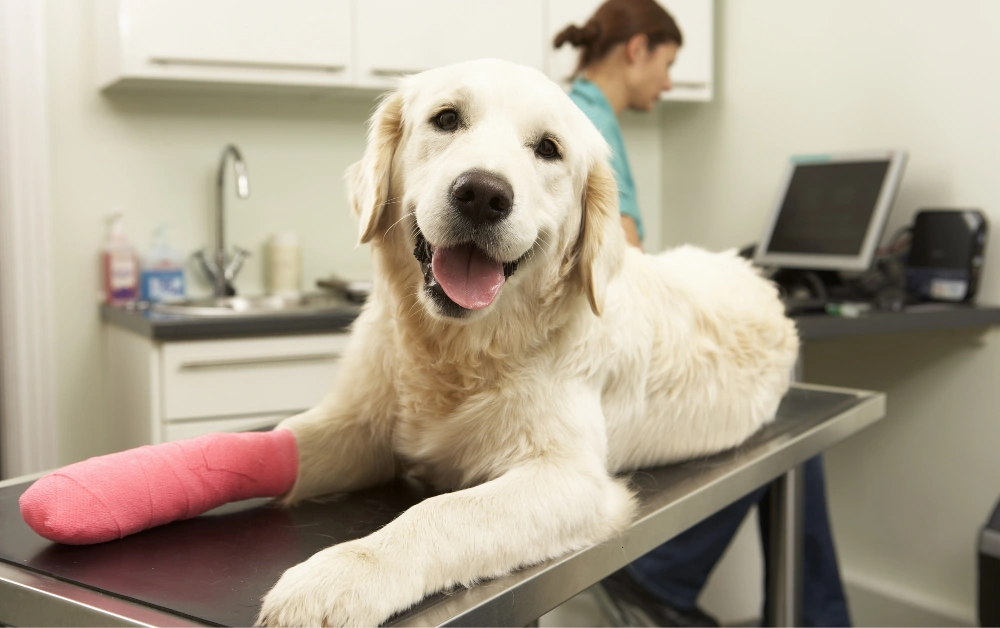
For pet owners considering large veterinary bills, the question “Does pet Insurance cover ACL surgery” addresses whether insurance will help pay for expensive knee repairs in pets. Understanding policy exclusions, pre-existing condition rules, and the types of plans is essential when evaluating coverage for anterior cruciate ligament (ACL) or cranial cruciate ligament (CCL) surgery in dogs and cats.
Direct Answer
Most accident and illness pet insurance policies may cover ACL (CCL) surgery if the injury is not considered pre-existing at the time of purchase.
Coverage depends on the policy type: accident-only plans may only pay if the ACL injury is due to a sudden event, not underlying disease.
If the ACL tear is diagnosed or noted before enrollment or during a waiting period, it is usually excluded as a pre-existing condition.
There may be specific waiting periods for knee/ligament conditions (often 6–12 months; verify with insurer).
Costs of ACL surgery, which can be substantial, are often only partly reimbursed (subject to coinsurance, deductible, and annual policy limits).
Routine wellness policies do not cover surgical repairs like ACL/CCL; check policy language for exclusions and limitations on orthopedic surgeries.
Pet insurance is intended for pet owners who want financial protection against unexpected veterinary bills, including surgeries and emergency care for injuries like ACL tears.
Accident and illness policies typically require the pet to be healthy at enrollment; coverage is often not available for pre-existing injuries, including prior or partially torn ACL/CCL ligaments.
Accident-only plans are generally open to most healthy pets but may exclude certain breeds or impose age restrictions.
Many policies apply waiting periods for knee injuries, especially in dogs. The length and details can vary; check with individual insurers.
Eligibility may differ by state and insurer. Always consult current-year information, especially for breed-specific or age-based exclusions.
Enrollment during early pet life maximizes eligibility, as documented injuries later are usually excluded.
Key Facts (At-a-Glance)
Item
Details
Coverage Types
Accident-only; Accident and Illness (most relevant); rarely covered by Wellness plans.
Premium
Monthly cost varies by species, breed, age, location; sample/illustrative: $30–$60/month for dogs.
Deductible
The amount paid out-of-pocket before coverage activates (sample/illustrative: $250–$1,000 per year or per incident).
Copay/Coinsurance
Percentage of costs the policyholder pays after deductible (commonly 10–30%).
Out-of-Pocket Maximum
Annual/lifetime cap; can range from $2,500 up to unlimited, plan-dependent.
Referrals/Preauthorization
Some plans require pre-approval for specialty or surgical procedures.
Exclusions for Pre-existing ACL Injuries
Most policies exclude coverage if the injury occurred or symptoms appeared before enrollment or during waiting periods.
Waiting Periods
Plans may require up to 6–12 months before knee/ligament injuries are eligible for claim review; varies by provider and state.
Claim Requirements
Veterinary diagnosis; itemized invoices; often post-care reimbursement.
Enrollment Windows
Any time for most plans; some providers restrict coverage based on age or health history.
Pros
Reduces financial burden of costly surgeries such as ACL repair, which can reach thousands of dollars.
Promotes access to advanced veterinary surgery, rehabilitation, and aftercare.
May cover diagnostics, medications, and post-op visits related to the injury, depending on the plan.
Policies sometimes include network discounts or flexibility to use any licensed veterinarian.
Cons
Pre-existing condition rules: no coverage for ACL tears diagnosed before policy start or during applicable waiting periods.
Waiting periods—especially for orthopedic/knee injuries—can delay effective coverage for months after policy purchase.
Copays, coinsurance, deductibles, and annual/lifetime maximums mean out-of-pocket costs may still be significant.
Policy exclusions may include other orthopedic conditions, breed restrictions, or age limits.
Reimbursement is typically after you pay the veterinary bill up front.
Costs & How Pricing Works
Premiums are based on pet species (dogs cost more than cats), breed risk factors (some are more prone to knee injuries), age at enrollment, and geographic region.
Deductibles can be per-incident or annual. Higher deductibles lower premiums but increase upfront costs before coverage applies.
Coinsurance or copay is usually 10–30%, meaning the insurer pays 70–90% of covered costs after the deductible.
Out-of-pocket maximums (annual/lifetime) cap claims paid. Surgeries and post-op rehab for ACL tears can rapidly approach these policy limits.
Cost-sharing: the pet owner pays for services up front, then submits a claim for reimbursement—timelines vary.
Breed, age, claims history, and location affect not only premium but also acceptance and exclusions through insurer underwriting protocols.
Covered Services & Exclusions
Accident & Illness policies typically cover surgical repairs for ACL/CCL injuries, including diagnostics (X-ray, MRI), anesthesia, operating costs, hospitalization, and post-operative medications and rehab, if not pre-existing.
Exclusions are common for pre-existing ACL damage, chronic ligament disease, or injuries in pets with prior orthopedic problems.
Routine wellness care, elective procedures, and preventive measures (e.g., supplements, routine exams) are generally not covered under surgical provisions for ACL.
Some policies also exclude coverage for conditions arising from improper care, deliberate injury, or certain high-risk activities.
Check whether secondary complications (e.g., osteoarthritis arising after surgery) are included or excluded based on policy wording.
Claims, Denials & Appeals
File the claim with detailed invoices, surgical notes, and diagnostic records from your veterinarian or veterinary surgeon.
Review of claim may include an assessment for pre-existing condition status, clinical history, and application of waiting period rules.
If denied or partially reimbursed, you may request an internal appeal. Be prepared to submit supporting veterinary documentation and timeline evidence.
Accident-only plans might only pay for tears due to trauma, not due to gradual degeneration or breed predisposition.
Comprehensive Accident & Illness plans generally offer broader coverage, but premiums are higher and underwriting is stricter.
Some veterinary clinics may offer installment plans or limited in-house discount programs, but these do not replace insurance protection or reimbursement potential.
Owners of breeds prone to ligament injuries (e.g., Labradors, Rottweilers) may need to seek plans specifically disclosing how orthopedic issues are addressed.
Without insurance, expected ACL/CCL surgery costs in dogs can range from several thousand to over $5,000, depending on surgical method and aftercare—all out-of-pocket.
Side-by-Side Comparison
Feature
Accident Only Policy
Accident & Illness Policy
No Insurance
Covers Non-Pre-existing ACL
Yes, if traumatic only
Yes, unless pre-existing or excluded
No
Covers Degenerative Conditions
No
Yes (subject to underwriting)
No
Typical Premium
sample: $10–$30/month
sample: $30–$60/month
N/A
Deductible Structure
Usually per-incident
Per-incident or annual
N/A
Out-of-Pocket ACL Surgery Cost
Mostly covered, after cost-share
Mostly covered, after cost-share
Full cost ($2,000–$5,000+)
Exclusions
Illnesses, some degenerative diagnoses
Pre-existing injuries, sometimes bilateral restrictions
N/A
Claims Process
Submit itemized bills; reimbursement if eligible
Submit itemized bills; reimbursement if eligible
N/A
Quotes & Cost Drivers
Certain breeds (e.g., large dogs, active sporting breeds) face higher risk scores and may pay higher premiums or see restricted coverage for orthopedic issues.
Older pets typically pay more, or may face greater exclusions and longer waiting periods (especially for knees/ligaments).
Location and local veterinary cost inflation directly drive both premium levels and claim payouts, especially in urban or coastal regions.
Claim frequency and past payout history may influence renewals and future rates under individual underwriting models.
Deductible selection, coinsurance ratio, annual maximum, and policy term all influence monthly premium and claim value.
Coverage Optimizer Checklist
Verify that ligament and orthopedic conditions are explicitly covered and under what circumstances (trauma vs. chronic).
Check for bilateral injury exclusions (if one knee is repaired, is the other still covered?).
Confirm length of any waiting period for knee injuries—this can be longer than for other accidents or illnesses.
Scrutinize definitions of “pre-existing” and provide thorough, dated veterinary records at enrollment to avoid ambiguities later.
Ask the insurer whether any extra endorsements or riders are required for surgical or breed-specific conditions.
Important
This content is for educational purposes only. It is not insurance, legal, or tax advice.
Policy terms, eligibility, and pricing vary by state and insurer; verify details on official sources.
Frequently Asked Questions
Will my policy pay for ACL surgery if my pet already limps at signup?
Most insurers classify any pre-existing symptoms, including limping, as evidence of a pre-existing ACL injury.
Coverage for such injuries is typically excluded.
Carefully review your policy’s definition of pre-existing conditions and discuss with your veterinarian.
What is a bilateral exclusion for cruciate ligament tears?
If one knee is injured and repaired, policies may exclude future injuries to the other knee.
This is especially common among certain dog breeds with genetic predispositions.
Ask if “contralateral” or “bilateral” exclusions apply in your policy.
Are physical therapy and rehabilitation after surgery covered?
Some accident & illness policies cover medically necessary rehab if prescribed by a veterinarian.
Limits may apply, such as annual or per-incident caps.
Wellness or accident-only plans rarely include post-op rehab care.
Does breed or age ever affect ACL surgery coverage?
Yes; some insurers exclude, surcharge, or limit ACL coverage for high-risk breeds (e.g., Labrador Retrievers, Rottweilers).
Older pets face higher premiums and exclusions.
Review insurer’s breed/age rules before purchase.
How long will ACL claims take to process?
Most insurers reimburse within 1–4 weeks after complete documentation is supplied.
Appeals may extend timelines; delays are longer if pre-authorization was required but not obtained.
Conclusion & Next Steps
Pet insurance frequently covers ACL (CCL) surgery if the condition is not pre-existing and all waiting period requirements are met.
Always check definitions, waiting periods, breed/age-related exclusions, and other limitations in policy documents before enrolling.