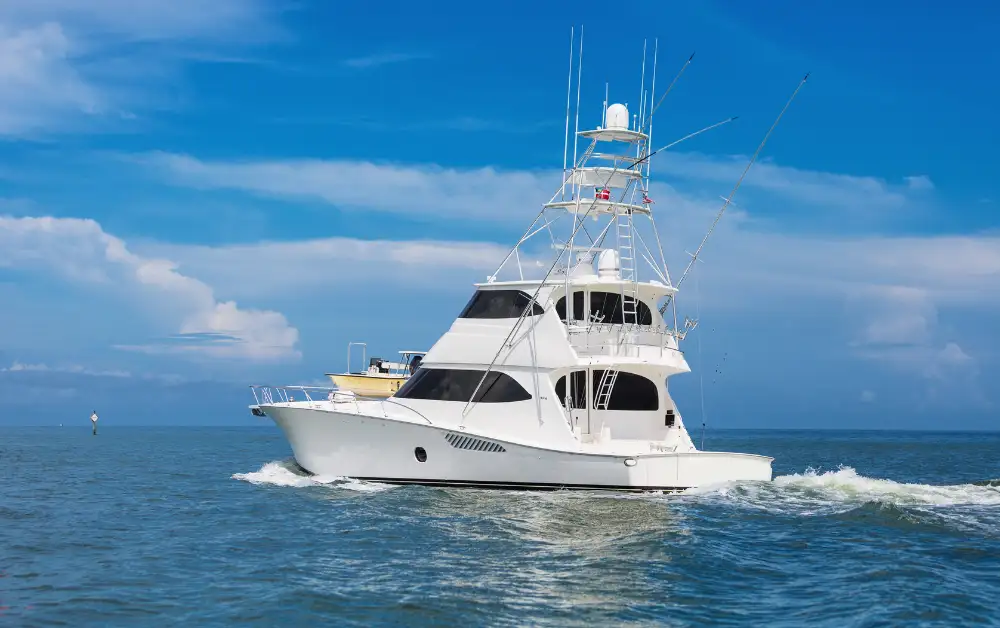
For boat owners evaluating coverage options, understanding how much is boat Insurance in Florida is crucial for budgeting and compliance, as premiums can vary widely based on vessel type, location, and personal risk factors.
Who This Policy Is For & Eligibility
Florida boat insurance is relevant for boat owners, yacht owners, and operators using vessels on Florida’s inland waters, rivers, or coastal areas.
Policies generally apply to recreational, fishing, cruising, and some commercial use boats, but coverage may differ for personal watercraft (PWCs), high-performance boats, or charter/rental operations.
Eligibility criteria typically require legal vessel registration, operator’s age compliance, and sometimes completion of certified boating safety courses.
Some marinas and lenders require active boat insurance as a condition of docking or financing.
Unlike auto insurance, Florida does not mandate liability insurance for most privately owned boats, but coverage is highly recommended due to high accident rates and hurricane risk.
Specific exclusions or premium surcharges may apply for vessels used internationally, in certain hazardous waters, or in commercial/charter applications.
Key Facts (At-a-Glance)
Item
Details
Coverage Types
Liability, physical damage (hull), medical payments, uninsured boater, towing, personal effects, fuel spill, wreck removal
Premium
Average annual premium for Florida: $450 (sample/illustrative); typical U.S. range: $200–$600+ per year; varies by value, use, and risk
Deductible
Applies to property damage, theft, and select claims; common options $250–$1,000+ (sample)
Liability Coverage
Bodily injury/property damage to others; minimum limits set by lender/marina, not state
Uninsured/Underinsured Boater
Optional; covers injury costs if other party is not insured
Comprehensive/Collision
Physical damage from collision, storms, theft, fire, vandalism; subject to deductible
Policy Limits
Based on boat value; policy may offer Agreed Value or Actual Cash Value (depreciated amount)
Exclusions
Wear and tear, manufacturer defects, racing, commercial use, unapproved waters
Claims & Repairs
Must report promptly; repair shop choice may be limited by policy
Pros
Protects against liability for injuries or property damage caused to others while boating.
Covers repair/replacement of your own vessel due to collision, hurricane, fire, theft, or vandalism.
Optional coverages available for towing, personal effects, equipment, wreck removal, and environmental cleanup.
May satisfy lender or marina contractual requirements for docking and financing.
Highly customizable coverage levels and deductible options to fit budget and risk tolerance.
Can provide financial protection against uninsured/underinsured boaters in high-traffic Florida waters.
Cons
Premium costs can be higher than the national average, especially for larger, high-value, or high-performance vessels in Florida due to storm exposure.
Claims for hurricane or sinkage damage are sometimes limited or subject to strict deductibles and exclusions.
Exclusions for mechanical failure, normal wear and tear, or racing activities may create coverage gaps.
Deductibles and policy limits affect out-of-pocket expenses if a claim occurs.
Failure to comply with navigation limits, agreed operator lists, or safety equipment requirements can void claims.
Coverage is typically not all-risk; endorsements may be required for fishing gear, high-value electronics, or watersports liability.
Costs & How Pricing Works
Florida’s average annual boat insurance premium is about $450 (sample/illustrative), but smaller boats or minimal liability policies may start at $200, while large or high-risk vessels may exceed $600 per year.
Premiums generally range from 1%–5% of the vessel’s value annually; a $50,000 vessel could cost $500–$2,500 per year.
Rating factors include boat type (motorboat, sailboat, personal watercraft), length and horsepower, hull material, age, and appraised value.
Usage (inland vs. coastal, liveaboard, distance offshore) and months in use impact pricing—year-round use in Florida may increase costs compared to seasonal policies in northern states.
Storage method (dry dock, marina slip, trailer), prior claims, operator boating history, and completion of safety courses can influence rating.
Deductible size: higher deductibles reduce premiums but increase out-of-pocket expenses if claims arise.
Location is key: South Florida and hurricane-prone regions often face surcharges or mandatory windstorm deductibles.
Quotes & Cost Drivers
Vessel make, model, year, and replacement cost (Agreed Value vs Actual Cash Value policies).
Engine type and horsepower, maximum speed, and safety features.
Owner/operator boating safety record and completion of approved courses (discounts not guaranteed).
Area of operation (coastal vs inland), navigation limits, and mooring location.
Past claims, loss history, and desired liability/property limits.
Bundling with home/auto insurance, alarm systems, and hurricane preparedness measures may impact cost.
Coverage Optimizer Checklist
Start with liability and physical damage coverage; add towing, wreck removal, and personal effects coverage as needed.
Confirm deductible amounts for hull and hurricane damage; check for named-storm or windstorm deductibles (especially in coastal Florida).
Review personal property sublimits; ensure fishing gear, electronics, and trailer are scheduled if needed.
Consider uninsured boater and fuel spill liability if boat operates in busy waters.
Check navigation limits and comply with USCG and marina safety requirements.
Covered Risks & Key Policy Exclusions
Standard policies cover physical damage to the hull, motor, and permanent attachments due to collision, hurricanes, fire, theft, or vandalism.
Liability coverage applies to bodily injury or property damage you cause to others while using the vessel.
Medical payments coverage: pays for injuries to you or your passengers, regardless of fault (subject to sublimits).
Uninsured/underinsured boater: covers medical costs if harmed by an at-fault, uninsured boater.
Towing and assistance: some policies provide limited on-water towing, stranded assistance, or emergency services.
Major exclusions: routine maintenance, mechanical/electrical breakdown, manufacturer defects, pre-existing damage, racing, unauthorized vessel use, and intentional or unlawful acts.
Hurricane/windstorm: some insurers apply higher deductibles or may not cover named-storm damage unless specific conditions are met.
Claims Process & Documentation
Report accidents, theft, or damage to your insurer as soon as possible—many policies require notification within a fixed timeline.
Document all incidents with photographs, police or USCG reports, repair estimates, and receipts for affected property.
Insurance companies assign adjusters to assess the loss and determine repair/replacement compensation, subject to policy terms and deductibles.
Hull repairs or replacement must use pre-approved facilities, especially for large claims or yachts.
For liability claims, cooperate fully and do not admit fault; the insurer handles negotiations and settlements up to policy limits.
Catastrophic or hurricane losses may have longer timelines due to claim volume and adjuster backlogs—keep records updated and confirm coverage for named storms ahead of hurricane season.
State-Specific Rules & Requirements
Florida does not require liability insurance for most private vessels, but financial responsibility is mandated for some commercial or rental boats.
Many marinas, storage facilities, and lenders require boaters to carry proof of insurance as a docking or financing condition.
Florida’s hurricane frequency may trigger special policy deductibles or windstorm exclusions; verify these details before binding coverage.
The Florida Office of Insurance Regulation provides consumer rights, regulatory updates, and complaint mechanisms; verify insurer licensing through your state insurance department (official homepage): Florida Office of Insurance Regulation (official homepage).
Out-of-state navigational coverage may require policy endorsements or notification to the insurer.
Alternatives & Comparisons
Self-insurance: rare except for very low-value or rarely used boats; exposes owners to significant liability in accidents or major losses.
Auto or homeowner endorsements: limited, often exclude physical damage or liability while afloat; not adequate for Florida’s unique risks.
Umbrella liability policies: may offer additional protection but typically require primary boat insurance first.
Agreed Value vs Actual Cash Value: Agreed Value pays a fixed amount for total loss (higher premium, no depreciation); Actual Cash Value factors in depreciation (lower premium, lower payout).
Comparing policies: look beyond price for exclusions, deductibles (especially for storms), and claims service reputation.
Side-by-Side Comparison
Feature
Agreed Value Policy
Actual Cash Value Policy
No Insurance
Coverage Scope
Full payout for total loss (no depreciation)
Payout less depreciation; lower premiums
No coverage; self-pay risk/loss
Typical Premium
$600+ (sample/illustrative)
$400 (sample/illustrative)
$0
Deductible
$500+ (hurricane may have higher deductible)
$1,000 (sample)
N/A
Exclusions
Wear/tear, racing, unauthorized use
Same, plus depreciation applies
All risks self-borne
Claims Process
Insurer handles, payout fixed
Payout reduced by age/condition
N/A
Important
This content is for educational purposes only. It is not insurance, legal, or tax advice.
Policy terms, eligibility, and pricing vary by insurer and vessel; verify details through the Florida Office of Insurance Regulation or your agent.
Marine insurance laws and practices change; check official resources for the most current regulations and program details.
Frequently Asked Questions
Is boat insurance required in Florida?
No; Florida does not require boat insurance for privately owned recreational vessels except in specific commercial or rental contexts.
However, marinas and lenders may require proof of coverage.
Uninsured operators are liable for damages or injuries caused.
How are premiums calculated for Florida boats?
Premiums are based on vessel type, value, size, horsepower, storage, use, claims history, and operator experience.
Location (hurricane exposure) and deductible choice significantly impact cost.
Sample/illustrative annual range: $200–$600+ for most boats.
What is typically covered by boat insurance?
Liability for injury or property damage to others, physical damage (collision/comprehensive), and often theft, fire, vandalism.
Optional coverages: towing, uninsured boater, medical payments, personal effects, wreck removal.
Always confirm exact inclusions/exclusions with your policy.
What coverage should I consider in Florida’s hurricane-prone areas?
Hurricane or named-storm deductibles are higher; ensure policy covers windstorm, flood, or sinking, and clarify exclusions.
Storing vessels in compliant facilities during storm season may reduce risk and premiums.
Report losses promptly after adverse weather for best claims outcomes.
Does my homeowner’s policy cover my boat?
Most homeowner’s policies provide very limited (if any) coverage for small boats, with strict exclusions for physical damage and liability while afloat.
Dedicated boat insurance gives broader and more appropriate protection for Florida boaters.
Conclusion & Next Steps
Boat insurance in Florida averages around $450 per year, but premiums depend heavily on vessel value, location, and coverage details.
Comprehensive policies may cost more for large or high-risk boats, especially due to Florida’s hurricane exposure.
Consider liability, hull, medical, and uninsured boater coverage, and confirm deductibles for named-storm events.
Marina and lender requirements often exceed state minimums; verify specifics before securing dock space or financing.