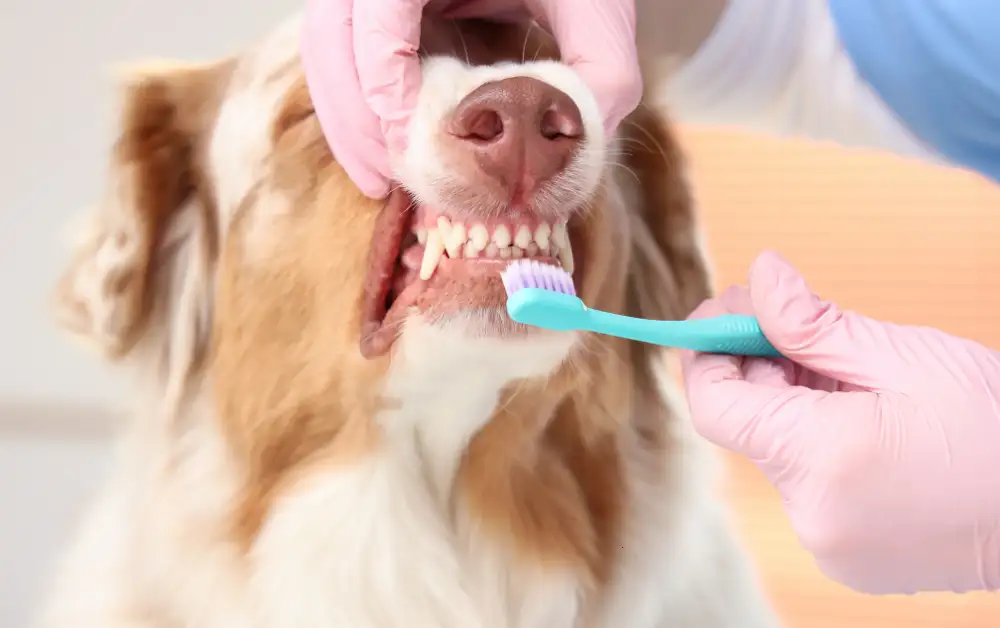
When evaluating whether pet Insurance covers dental cleaning, it’s essential to understand the standard scope of coverage, the distinctions between preventive and medically necessary treatments, and how exclusions or special conditions may affect reimbursement decisions. This page explains the general approach of U.S. pet insurance providers to dental cleaning within pet insurance, highlights key coverage trends, and offers a detailed educational context to help you make informed decisions.
Direct Answer
Pet insurance policies typically do not cover routine dental cleanings, as these are considered preventive care similar to regular check-ups.
Disease- or injury-related dental procedures may be covered when deemed medically necessary and prescribed by a veterinarian.
Coverage for dental cleaning as part of treatment for periodontal disease or oral injury might be considered, depending on the plan and the insurer’s definitions.
Preventive dental care, like manual scaling or polishing, is most often excluded across leading U.S. and international pet insurance providers as of 2024–2026.
Policies with optional wellness add-ons may offer limited reimbursement for preventive dental services, subject to annual limits and sublimits.
Always review your policy’s exclusions section for specifics and consult your insurer directly before scheduling dental cleanings.
Confirm official coverage details with your state’s insurance department or insurer’s NAIC consumer filing if in doubt.
Who This Policy Is For & Eligibility
Pet owners seeking financial protection against unexpected veterinary expenses for their dogs or cats.
Typical eligibility: pets within the insurer’s covered age range, usually from 8 weeks up to specified maximum ages for initial enrollment; some plans have breed or preexisting condition restrictions.
Coverage for dental issues usually applies to both accident/illness and some wellness policies, but details and reimbursement may vary.
Routine preventive dental cleanings for generally healthy pets are almost always excluded under accident/illness-only plans.
Some providers offer wellness riders that may include a stipend for annual dental cleaning if selected at purchase.
Waiting periods (commonly 14 days for illness) and limits on coverage for pre-existing dental disease apply.
Confirm whether dental coverage applies to your pet species and age on your insurer’s official summary.
Key Facts (At-a-Glance)
Item
Details
Routine Dental Cleaning
Typically excluded from standard accident/illness plans; sometimes available as a wellness add-on (subject to caps).
Disease/Injury-Related Dental Work
Often covered if medically necessary and prescribed by a veterinarian. Preexisting conditions usually excluded.
Premium
Sample/illustrative range; varies by breed, age, state, coverage options, and selected riders.
Deductible
Annual or per-incident; higher deductibles may lower premium.
Co-pay/Coinsurance
20%–40% coinsurance typical for covered events (sample/illustrative).
Out-of-Pocket Maximum
Policy dependent; some plans have annual or lifetime limits on dental care.
Waiting Period
Commonly 14 days for illness; may apply to dental conditions.
Policy Exclusions
Most exclude routine/preventive care, including standard cleaning, unless wellness rider is purchased.
Coverage Type
Accident/illness core, wellness add-ons, dental riders vary by provider.
Pros
Financial support for unexpected dental injuries or disease when treatment is needed to restore pet health.
Coverage can extend to extractions, root canals, or advanced procedures when medically necessary.
Optional wellness riders may allow limited preventive dental reimbursement for cleaning.
Some policies can help with costly emergency dental procedures due to accidents.
Peace of mind for pet owners against major, unpredictable dental care bills.
Cons
Routine dental cleaning, exams, scaling, and polishing are generally not covered in standard accident/illness insurance policies.
Preventive dental care is usually only available via wellness add-ons, and these may have low reimbursement limits.
Waiting periods and exclusions often apply for preexisting dental conditions or signs recorded before policy purchase.
Annual or lifetime maximums for dental may restrict total reimbursable costs.
Documentation and evidence of medical necessity may be required for reimbursement of dental-related claims.
Policy definitions and terms vary widely between insurers and states.
Costs & How Pricing Works
The premium for pet insurance depends on your pet’s age, breed, zip code, coverage limits (including for dental work), deductible, and coinsurance level.
Adding a wellness or dental rider increases monthly premium but may offer reimbursement for certain preventive services, often capped per year.
Standard policies do not distinguish between coverage for dental cleaning and other preventive care—the exclusion is typically clear in policy language.
Your out-of-pocket maximum limits your exposure on covered treatments but not excluded preventive cleaning unless a specific rider applies.
Most providers use a reimbursement model: you pay the full vet bill, submit a claim, and receive a payout if covered. Non-covered services like routine cleanings are declined.
Wellness benefit riders, if available, may provide an annual allowance applied toward dental cleaning and other preventive care expenses, but caps and sublimits apply.
Sample/illustrative premium ranges for accident/illness plans (excluding routine/wellness dental): $20–$60/month for dogs, $10–$30/month for cats; adding wellness increases the premium modestly.
High coverage levels, low deductibles, and older pets significantly increase premiums, but do not guarantee dental cleaning will be included.
Covered Services & Exclusions
Covered: dental procedures required due to accident-induced oral trauma, tooth extraction due to injury, and sometimes treatment of periodontal disease if not preexisting at time of enrollment.
May be covered: dental cleanings prescribed as medical treatment for existing dental disease (rare; policy dependent).
Specifically excluded: routine or preventive dental cleaning (scaling/polishing when not medically prescribed), cosmetic procedures, and toothbrushes or dental treats.
Waiting periods: may restrict coverage for dental diseases that develop soon after policy activation.
Coverage for advanced dental care—root canals, abscess drainage—may be capped annually or per incident; check sublimit details.
Exclusion language is typically found in the “Exclusions” or “Preventive Care Not Covered” section of your policy terms.
Claims, Denials & Appeals
After receiving dental treatment, pay your veterinarian and obtain detailed invoices and medical notes.
Submit a claim to your insurer, including itemized receipts and supporting medical records justifying the treatment.
If the procedure is medically necessary (e.g., extractions for a diagnosed disease), and your policy includes illness coverage, your claim may be approved up to specified limits after deductible and coinsurance.
Routine dental cleanings generally trigger automatic denials, unless a paid-for wellness rider allows for reimbursement within its annual limit.
If denied, review your Explanation of Benefits (EOB) carefully, and request a detailed reason for denial.
For disputes, you may file an internal appeal with your insurer, and if not resolved, escalate complaints via your state’s insurance department (official homepage) or NAIC consumer resources (official homepage).
Alternatives & Comparisons
Wellness add-on plans may offer partial reimbursement for preventive dental cleaning, subject to strict annual limits (typically under $100–$150 per year).
Standalone dental policies for pets are rare in the U.S.; most options are embedded in broader pet accident/illness or wellness combos.
Some non-insurance veterinary discount plans include routine dental cleanings for a membership fee, but these do not provide insurance-style financial protection.
In the UK and other countries, similar exclusions apply—most pet policies exclude preventive dental cleaning (confirmed by multiple sources as of 2026).
Side-by-Side Comparison
Feature
Pet Accident/Illness Insurance (US)
Wellness Add-On/Rider
Non-Insurance Discount Plan
Routine Dental Cleaning
Excluded
Included, annual cap
Included, by schedule
Dental Disease/Trauma Treatment
Included, if not preexisting
Not covered
Discount only
Typical Premium
Sample: $20–$60/mo*
+ $10–$20/mo*
Sample: varies
Deductible
Applies to covered claims
N/A or per routine service
N/A
Annual Maximum
Set by policy, may include dental sublimit
Low, usually $50–$150
Depends on plan
Exclusions
Routine cleaning, pre-existing dental, cosmetic
Major dental, disease treatment
No claim reimbursement
Claims Process
Submit receipts, medical records
Submit wellness receipts
Pay discounted fee up front
*Sample/illustrative premiums. Confirm current quotes for your state, pet, and chosen provider.
Important
This content is for educational purposes only. It is not insurance, legal, or tax advice.
Policy terms, eligibility, and pricing vary by state and insurer; verify details on official sources.
Quotes & Cost Drivers
Premiums are primarily driven by pet age, breed, state, and any prior dental disease or history of claims.
Coverage limits and sublimits: review annual and per-condition maximums, including for dental care.
Deductible and coinsurance: lower deductibles/high coinsurance increase premium but reduce out-of-pocket when covered.
Discount eligibility for microchipping, spay/neuter, or bundled pet coverage may be available—results vary by provider; not guaranteed.
Policy term (annual vs monthly) may affect the price.
Coverage Optimizer Checklist
Clarify which dental treatments are covered under your accident/illness plan and whether a wellness rider is available for preventive care.
Check for sublimits or exclusions for major dental work, especially for older pets or specific breeds.
Verify definitions: “medically necessary” vs “routine” in your policy’s dental coverage section.
Evaluate annual wellness limits against typical local dental cleaning costs.
Maintain regular home dental care for your pet, as this may affect claim eligibility for dental disease.
Frequently Asked Questions
Is preventive dental cleaning included in standard pet insurance?
No, routine preventive dental cleanings (scaling/polishing) are usually not covered by standard accident/illness pet insurance plans.
Some wellness add-ons may provide a small annual reimbursement; check your policy details.
Will pet insurance pay if my vet prescribes dental cleaning?
If cleaning is medically necessary to treat an illness (e.g., periodontal disease), and your policy covers illness, you may qualify for reimbursement.
Routine, non-prescribed cleanings remain excluded even with a veterinarian’s suggestion.
What is considered a dental emergency for pet insurance?
Broken teeth, oral trauma from accidents, or severe infections often classify as emergencies.
Coverage depends on policy terms and absence of prior dental disease notes.
Does pet insurance cover extractions and other dental surgeries?
Yes, if required to treat accident or illness (and not preexisting), most accident/illness plans will cover extractions or dental surgeries up to their limits.
How can I verify my pet insurance dental benefits?
Contact your insurer’s customer service department for a breakdown of covered services.
Review the “Dental” and “Exclusions” sections of your policy document.
Check with your state’s insurance department or NAIC for unresolved disputes or regulatory interpretation.
Conclusion & Next Steps
Pet insurance in the U.S. generally does not cover routine dental cleaning unless a wellness plan or specific dental benefit is purchased as an add-on.
Certain disease- or injury-related dental procedures may be eligible for claims, but preventive care is specifically excluded on most standard plans—for both dogs and cats.
Premiums, sublimits, waiting periods, and exclusions vary significantly by provider and state, so always review your specific policy documents and consult official regulatory sources for clarity.