
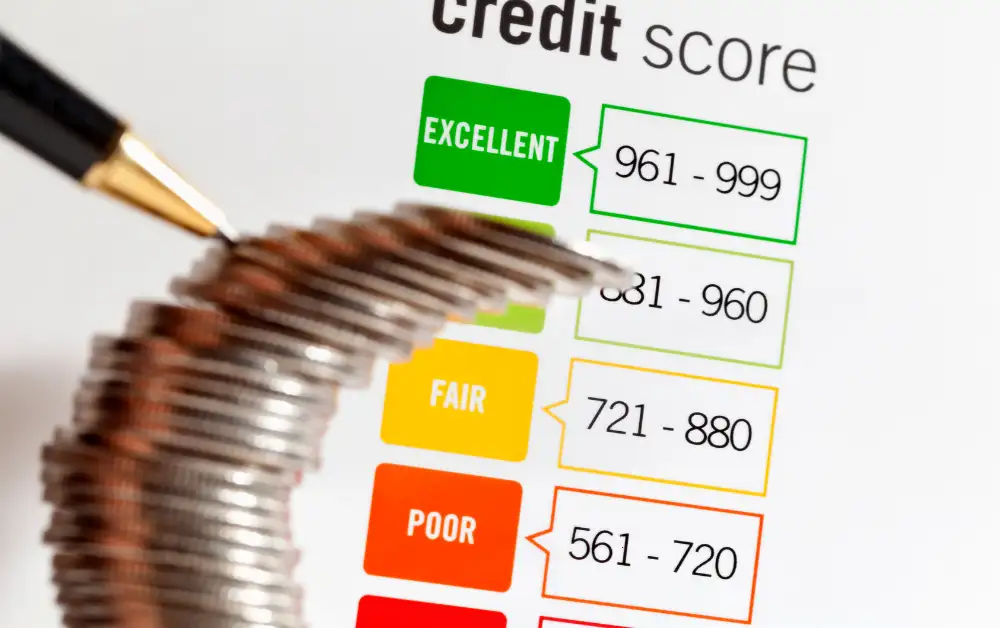
Understanding if debt consolidation loans hurt your credit is essential for anyone considering this financial tool to manage multiple debts. On this page, you’ll learn how debt consolidation loans can both positively and negatively impact your Credit Score, what key factors to consider, and how to decide if this approach aligns with your financial goals.
Direct Answer
- A debt consolidation loan can temporarily lower your credit score due to the hard inquiry during application and new account opening.
- If used responsibly—making on-time payments and avoiding new debt—consolidation may improve your score over time.
- A lower credit utilization ratio from paying off existing debts can have a positive effect once your loan is active.
- Missed or late payments on the new loan can severely damage your credit; payment history is the largest factor in FICO scores.
- Your “average account age” may decrease, which could have a minor negative effect initially.
- The overall impact varies based on your credit profile, debt level, and repayment habits.
- Sample/illustrative drop: Some see a dip of a few points; with positive behavior, recovery is usually within months to a year.
Who This Loan Is For
- Borrowers juggling multiple high-interest debts (such as credit cards or personal loans) and seeking to simplify payments.
- Individuals with stable income capable of maintaining regular payments on a new loan.
- People aiming to reduce total interest costs by securing a lower rate than their current debts.
- Consumers determined to avoid further borrowing and committed to a single debt payoff plan.
- Applicants with fair to good credit (not deep subprime), since approval odds and APRs vary significantly by score.
- Those preferring fixed monthly payments and predictable loan terms for budgeting reasons.
Key Facts (At-a-Glance)
| Feature | Details |
|---|---|
| Loan Type | Personal Installment (Unsecured) or Home Equity Loan/Line (Secured) |
| Purpose | Combine multiple debts into one payment; lower interest rate; streamline budget |
| Amount Range | Sample/illustrative: $1,000 – $50,000 (varies by lender, credit profile) |
| Term Length | Sample/illustrative: 12–84 months (1–7 years); varies |
| APR | Sample/illustrative: 7%–36% fixed (varies by credit score, lender, collateral) |
| Representative Example | Borrow $10,000 at 14% APR, 48 months; monthly payment about $273, total repayment $13,104 (sample/illustrative) |
| Fees | Origination (0%–8% sample); late/returned payment; some loans have no prepayment penalty |
| Collateral | Usually unsecured; home equity options secured by property |
| Eligibility | Varies by lender; considers credit score, income, DTI ratio, employment |
| Funding Speed | Sample/illustrative: 1–7 business days after approval |
| Payment Frequency | Monthly (typical) |
Pros
- Streamlines debt management with one predictable monthly payment.
- Potentially lowers overall interest rate compared to existing debts.
- Fixed rates available, reducing uncertainty vs. variable-rate credit cards.
- May improve credit utilization ratio (key for FICO score) by paying off revolving balances.
- Can accelerate debt payoff if borrower avoids incurring new credit charges.
- Possible autopay or loyalty discounts from some lenders.
Cons
- Hard inquiry and new account may temporarily lower credit score.
- Origination, late payment, and prepayment penalty fees may apply.
- Failure to address habits can result in new debt accumulation.
- Secured options risk property loss (home equity loans/HELOCs).
- Rates for near-prime/subprime applicants can be as high or higher than existing debts.
- Monthly payments are mandatory and usually not flexible.
- Average account age is reduced, which may slightly impact score initially.
Costs, Interest & Total Repayment
- APR reflects interest and applicable fees, unlike the nominal rate.
- Origination fees, if rolled into the loan, increase total interest paid.
- Amortization spreads payments (interest + principal) over the term; earlier payments are interest-heavy.
- Missing a payment can trigger late fees and penalty APRs, as well as negative credit reporting.
- Some lenders charge prepayment penalties; confirm terms before accepting any offer.
- Grace periods may exist for late payments; always check your loan agreement.
| Scenario | Amount | APR | Term | Monthly Payment | Total Paid |
|---|---|---|---|---|---|
| Sample/Illustrative | $10,000 | 14% | 48 months | $273 | $13,104 |
Eligibility, Underwriting & What Lenders Evaluate
- Credit score: Higher scores typically qualify for better rates and larger loans.
- Debt-to-income (DTI) ratio: Assesses ability to manage new payment along with existing obligations.
- Stable income and verifiable employment are usually required.
- Collateral, if required, is evaluated for home equity or auto-secured loans.
- Hard vs. soft credit pull: Most offers require a hard inquiry; prequalification may involve a soft inquiry only.
- Lender policies vary; confirm specifics before applying.
Application Steps
- Optional pre-qualification for rate estimates (soft credit check, no score impact).
- Prepare documents: ID, proof of income, debt statements, possibly tax returns (for large loans).
- Submit loan application to chosen lender; consent to a hard credit inquiry.
- Verification: Lender reviews credit, income, and outstanding debts; may contact creditors.
- Underwriting decision: Approval, denial, or counteroffer; review all terms and conditions before proceeding.
- Upon acceptance, funds are disbursed (often sent directly to creditors for debt payoff); your new loan account is established.
- Repayment schedule begins; payments reported to credit bureaus.
Risk Factors & Responsible Borrowing
- Missed payments will damage credit and may lead to higher interest rates or late fees.
- Borrowers who continue to use credit cards may fall back into a debt cycle, negating consolidation benefits.
- Variable-rate options (HELOC) may expose borrower to rising interest costs.
- Secured loans may result in loss of collateral if default occurs.
- Debt consolidation is not a cure for excessive spending or insufficient income.
Alternatives & Comparisons
Notable Alternatives
- Balance transfer credit cards with 0% introductory APR (promotional periods, usually 12–21 months).
- Home equity line of credit (HELOC) or second mortgage (secured by residence; may offer lower APRs but higher risk).
- Buy Now, Pay Later (BNPL) installment platforms (for retail, not suitable for consolidating revolving debt).
- Credit union personal loans (often lower rates/fees, but stricter membership requirements).
- In-house hardship programs with original creditors for interest/fee reductions.
Side-by-Side Comparison
| Product | Sample APR | Fees | Term | Collateral |
|---|---|---|---|---|
| Debt Consolidation Loan | 7%–36% (sample/illustrative) | Origination, late, prepayment (varies) | 12–84 months | Unsecured/Secured |
| Balance Transfer Card | 0% intro, 18%–29% after (sample/illustrative) | 2%–5% transfer fee | 12–21 months (promo) | Unsecured |
| HELOC | 6%–13% variable (sample) | Appraisal, origination, annual fees | 5–20 years (draw + repayment) | Secured (home) |
How to Reduce Costs
- Shop and compare official APRs, fees, and terms before applying.
- Avoid optional add-ons (credit insurance, payment protection) unless truly needed.
- Consider a shorter repayment term to minimize total interest (if affordable).
- Look for autopay and loyalty discounts—sometimes up to 0.25% off the APR.
- Check policies on early payoff and whether any prepayment penalties apply.
- Verify all terms and current rates using the official CFPB loan resources.
Borrower Rights, Servicing & Disputes
- Federal law requires accurate, timely credit reporting of loan payments by lenders.
- You can request a paid-in-full statement when loan is settled; confirm release of any applicable collateral (for secured loans).
- If there is a servicing error (such as a payment posting delay), dispute it in writing following the lender’s procedures.
- The official CFPB homepage provides guidance on error resolution, dispute rights, and complaint filing.
- Loan modification or hardship requests are possible under certain circumstances; ask your lender about options before missing a payment.
Cosigners, Collateral & Release Scenarios
- Cosigners are jointly liable and late payments affect both parties’ credit.
- Release policies for cosigners vary; most require proof of on-time payments for a set period.
- Secured loans (home, auto) involve appraisals and clear title transfer on payoff; insurance may be required.
- Unsecured options avoid collateral risk but usually require stronger credit or higher rates.
Methodology, Math & Assumptions
- APR calculations include interest plus fees; for example, a 10% interest rate with a 3% origination fee has a higher APR.
- Amortization means each payment covers interest and principal; interest comprises a larger portion earlier in the loan term.
- Many lenders report all payments (including early payoff) to credit bureaus.
- This content was reviewed June 2024; policies, APRs, and fees change. Confirm details with lenders and the official CFPB homepage.
- All sample rates and terms are illustrative only. Actual offers depend on individual credit and lender criteria.
Lifecycle & Servicing Events
- Forbearance or deferment options may be available (especially during hardship); interest may continue to accrue.
- Payment allocation: Lenders typically apply payments to fees, then interest, then principal.
- Payoff: Once paid in full, request a confirmation letter and ensure account updates with all credit bureaus.
- Refinancing is possible for robust credit improvement but may involve new fees and an additional hard inquiry.
Related Questions (Quick Answers)
Does a debt consolidation loan show up on your credit report?
- Yes, the new loan is reported as an installment account on your credit file.
- Closed accounts for paid-off debts also appear, often with a $0 balance.
- Positive payment history on the new loan can improve your score over time.
How much will my score drop after a hard inquiry?
- Sample impact: Many see a 5–10 point decrease after a new hard inquiry.
- Impact lessens over a few months if no further credit is sought.
- Score can recover and rise above previous levels with responsible payment behavior.
Can I consolidate debt with bad credit?
- Options exist for subprime applicants, but rates will be higher and approval is less certain.
- Secured loans are more likely than unsecured at lower scores but carry greater risk.
- Credit unions may offer alternative solutions for members.
Is it better to settle or consolidate?
- Debt settlement damages credit substantially and often results in a tax liability.
- Consolidation, if managed responsibly, facilitates on-time repayment and potentially credit improvement.
- Compare total costs, impact, and eligibility with a certified financial counselor if unsure.
Frequently Asked Questions
What is the fastest way to recover my credit score after consolidation?
- Make all payments on time; set up autopay if possible.
- Avoid opening new credit accounts unnecessarily.
- Monitor your credit regularly for accuracy and fraud.
What happens if I miss a debt consolidation loan payment?
- Late fees may apply; payment is reported to credit bureaus after a grace period (often 30 days late).
- Missed payments significantly reduce your credit score and may trigger default clauses.
Do consolidation loans eliminate debt?
- No, they restructure your existing debt into a single loan, ideally with a lower APR or more favorable terms.
- Total debt remains the same or could slightly increase, depending on fees and loan structure.
How often can I use a debt consolidation loan?
- There is no federal limit, but multiple new loans can harm your score and may trigger lender denials.
- It’s usually best used as a one-time solution while committing to long-term financial discipline.
Conclusion & Next Steps
- A debt consolidation loan may cause a short-term credit score dip but can help long-term if used wisely.
- Responsible management—timely payments, no new debt—is essential for positive credit outcomes.
- Always compare official rates, review your loan agreement, and reference the official CFPB homepage for further education and protection resources.
- If you need personalized guidance, consider speaking with a certified credit counselor or your state financial regulator.